

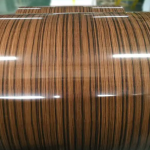

Customization has become a common requirement in today’s supply chain, especially for materials used in manufacturing and construction. Coated aluminum coil and color coated aluminum coil are often supplied based on specific project needs rather than standard specifications. This shift toward OEM-based production introduces both opportunities and challenges for buyers and suppliers.
One of the first steps in customization is defining the base material. Aluminum alloy selection affects strength, formability, and corrosion resistance. Common alloys such as 3003 or 3004 are often used for general applications, while others may be selected for higher strength requirements. The choice depends on how the final product will be used and processed.
Thickness and width are also key parameters. Different applications require different material dimensions. For example, roofing panels may use thinner coils to reduce weight, while structural components may require thicker material. Coil width is typically matched to production equipment to minimize cutting and waste.
Coating type is another major factor in OEM orders. As discussed earlier, PE, SMP, and PVDF coatings offer different performance characteristics. Buyers need to match coating systems with environmental conditions and expected service life. This requires clear communication between supplier and client during the specification stage.
Color selection goes beyond basic aesthetics. In many cases, colors must match existing products or branding guidelines. This may involve custom color development and sample approval. Suppliers often provide color swatches or test panels to ensure that expectations are aligned before mass production begins.
Surface finish options also play a role in customization. Buyers may choose between gloss, matte, or textured finishes depending on design requirements. Each option involves different coating formulations and production settings, which can affect lead times and cost.
Protective film application is another detail that is often specified in OEM orders. A temporary film may be applied to the surface to prevent scratches during transportation and installation. The type of film and its adhesion level can be adjusted based on how the material will be handled.
Minimum order quantity (MOQ) is a practical consideration in customization. Because coil coating involves continuous production lines, smaller orders may be less efficient to produce. Buyers need to balance customization needs with production feasibility, often working with suppliers to find acceptable quantities.
Quality control standards are typically defined as part of the agreement. These may include tolerances for thickness, coating adhesion, and color variation. Clear standards help reduce misunderstandings and ensure that delivered products meet expectations.
Lead time is another factor influenced by customization. Standard products may be available more quickly, while customized orders require additional steps such as color matching, sample approval, and production scheduling. Planning ahead becomes important for projects with tight timelines.
Packaging and logistics also vary depending on order specifications. Coated aluminum coil must be protected from moisture and physical damage during transport. Packaging methods may include waterproof wrapping, wooden pallets, or steel supports, depending on shipment conditions.
Communication plays a central role in successful OEM projects. Detailed technical discussions between buyers and suppliers help clarify requirements and avoid costly errors. Drawings, samples, and written specifications are commonly used to ensure alignment.
Market trends are also influencing customization. As industries move toward more specialized products, demand for tailored coated aluminum coil solutions continues to grow. This includes not only color and size variations but also functional coatings designed for specific environments.
Digital tools are beginning to support this process. Some suppliers use software systems to manage specifications, track production, and communicate with clients. This improves transparency and helps coordinate complex orders more effectively.