



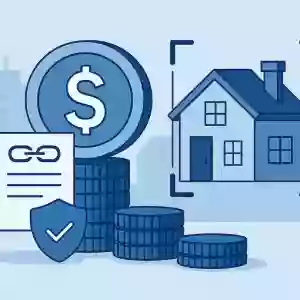
The real estate industry often faces a significant challenge: properties that remain unsold for extended periods. Residential apartments, commercial spaces, plotted developments, office units, and properties under construction can represent substantial amounts of locked-up capital. Even when these assets have considerable market value, developers may struggle to convert them into immediate financial resources without reducing prices or waiting for traditional buyers.
As property development costs continue to rise, developers are exploring alternative ways to unlock the financial potential of unsold inventory. One emerging approach is real estate tokenization, which uses blockchain technology to represent property ownership or investment interests as digital tokens.
Instead of treating unsold properties as inactive inventory, developers can explore structured investment opportunities that allow multiple investors to participate in property-backed offerings. This approach can help businesses access alternative funding channels, improve capital utilization, and create new opportunities for property monetization.
Why Does Unsold Property Inventory Create a Financial Challenge?
Unsold property inventory can affect a developer's financial position in several ways. Although these properties represent valuable assets, they may not generate immediate returns.
-
Capital Remains Locked: Funds invested in land acquisition, construction, materials, and development remain tied to properties that have not yet been sold.
-
Increased Holding Costs: Developers must continue managing maintenance, security, insurance, taxes, and other operational expenses.
-
Limited Cash Flow: Slow property sales can affect the availability of funds for upcoming construction projects and business expansion.
-
Financing Pressure: Developers may need additional borrowing to meet operational requirements while existing inventory remains unsold.
-
Market Dependency: Traditional property sales depend on buyer demand, mortgage availability, pricing conditions, and local market trends.
These challenges highlight the importance of exploring alternative methods to generate financial value from existing property inventory.
How Can Unsold Properties Be Converted Into Investment Opportunities?
Real estate tokenization offers a technology-driven approach to transforming eligible unsold properties into investment opportunities.
Through tokenization, a property or an appropriate legal interest in a property can be represented digitally on a blockchain. Depending on the legal and financial structure, these tokens may represent fractional ownership, shares in a property-owning entity, debt interests, or contractual rights to specific property-related returns.
Rather than depending entirely on one buyer to purchase an entire property, developers can structure investment offerings that allow multiple eligible investors to participate.
For example, a developer holding an unsold commercial property valued at $5 million could explore a legally structured investment offering in which the property is held through a special purpose vehicle (SPV). The SPV could issue investment interests represented by digital tokens.
Investors purchasing these tokens would receive the rights defined in the offering documents. Depending on the structure, these rights might include ownership interests, distributions from rental income, or proceeds from a future sale. This model can create an alternative route for developers to access capital while providing investors with exposure to property-backed investment opportunities.
Key Ways Unsold Property Inventory Can Generate Investment Capital
Fractional Property Investment
One of the major opportunities offered by tokenization is fractional investment. High-value properties often require significant purchasing power, which limits participation to investors with substantial capital. Tokenization can divide eligible investment interests into smaller digital units, subject to applicable securities and investment regulations. For developers, this can create opportunities to raise capital from multiple investors instead of depending on a single property buyer.
Rental Income-Based Investment Opportunities
Unsold properties do not necessarily need to remain financially inactive. Developers can consider converting suitable residential or commercial properties into rental assets and structuring investment opportunities around their rental income. For example, an unsold office building could be leased to businesses, while investors participate in a legally structured offering linked to the property's rental revenue. Blockchain-based systems can help record investor entitlements, track distributions, and maintain transparent transaction histories.
Funding Future Property Development
Capital generated from eligible property-backed investment offerings can potentially support upcoming development activities.
Developers may use the funds for:
-
Acquiring additional land.
-
Financing new residential projects.
-
Expanding commercial developments.
-
Completing ongoing construction.
-
Developing mixed-use properties.
-
Improving existing property infrastructure.
This approach can help property businesses explore ways to recycle capital rather than allowing significant financial resources to remain tied to unsold inventory.
Monetizing Commercial Property Inventory
Commercial properties such as office spaces, retail units, warehouses, and business parks can offer different investment opportunities. Developers holding unsold commercial inventory may explore tokenization structures based on ownership interests, rental income, or other legally defined financial rights. For example, a warehouse development with multiple available units could be structured as a property-backed investment offering. Investors could participate through digital tokens representing interests in the underlying asset or owning entity.
Creating Property-Backed Debt Opportunities
Not every developer wants to distribute ownership interests in their properties. An alternative is to explore debt-based investment structures. In this model, a developer or property-owning entity may raise capital through a legally structured loan backed by eligible property assets. Digital tokens can represent the corresponding debt interests, including repayment and interest rights defined by the agreement. This provides another potential approach to unlocking capital without necessarily transferring equity ownership.
The Role of Real Estate Tokenization in Unlocking Property Value
Real estate tokenization can introduce several operational and financial advantages when implemented with appropriate legal and business structures.
Improved Investment Accessibility
Fractional investment structures can make certain property-backed opportunities accessible to a broader pool of eligible investors.
Transparent Ownership Records
Blockchain technology can maintain records of token issuance, transfers, and ownership changes, supporting better visibility into investment transactions.
Automated Distribution Management
Smart contracts can automate certain predefined activities, such as calculating investor allocations and processing distributions, when connected to verified financial and operational systems.
Flexible Investment Structures
Developers can explore equity-based, debt-based, rental-income-based, and other property-linked investment models depending on their objectives.
Potential Secondary Market Participation
Where legally permitted, tokenized investment interests may be transferable through compliant secondary trading arrangements. This can provide investors with additional flexibility, although liquidity is not guaranteed.
What Should Developers Consider Before Tokenizing Unsold Properties?
Although tokenization offers new possibilities, developers should evaluate several important factors before launching a property-backed investment offering.
Property Valuation and Due Diligence
The underlying property must undergo appropriate valuation and verification. Developers should assess ownership records, outstanding liabilities, construction status, market demand, and revenue potential.
Legal Ownership Structure
A clear legal structure is essential. Developers must determine whether the tokens represent direct ownership, SPV shares, debt instruments, or contractual investment rights.
Regulatory Compliance
Property-backed tokens may qualify as securities or other regulated financial instruments, depending on their structure and jurisdiction. Issuers must consider applicable securities laws, investor eligibility, disclosures, KYC, and AML requirements.
Smart Contract Development
Smart contracts should support token issuance, transfer restrictions, investor allocation, distribution calculations, and other required investment operations.
Investor Management
Developers need systems to manage investor onboarding, identity verification, investment records, transaction histories, and ongoing communication.
Asset Management and Reporting
Regular property valuations, rental income statements, maintenance updates, and financial reports help investors understand the performance of the underlying assets.
How to Build a Real Estate Tokenization Solution for Unsold Inventory
Developers looking to implement tokenization need a solution that connects property management, investment operations, blockchain infrastructure, and compliance requirements.
The development process generally involves the following stages.
Business Model Identification
Determine whether the objective is to raise equity capital, create debt-based investment opportunities, distribute rental income, or monetize multiple property assets.
Property and Legal Structuring
Identify suitable unsold properties, complete due diligence, establish the ownership structure, and define the investment rights associated with the offering.
Tokenization Architecture
Select a suitable blockchain network, token standard, smart contract architecture, and custody arrangements based on business and regulatory requirements.
Investor Onboarding Integration
Implement investor registration, identity verification, accreditation checks where required, and payment integration.
Token Issuance and Distribution
Configure token allocation, issuance rules, transfer restrictions, and investor entitlement management.
Post-Issuance Management
Provide ongoing reporting, asset performance monitoring, income distribution management, and investor communication.
Working with an experienced real estate tokenization development company can help businesses build the technical infrastructure required to support these operations.
Business Opportunities for Real Estate Developers
Turning unsold inventory into structured investment opportunities can introduce new business possibilities beyond traditional property sales.
-
Inventory Monetization: Explore alternative ways to generate capital from properties that have remained unsold.
-
Portfolio-Based Investment: Combine multiple eligible properties into a structured investment offering.
-
Commercial Property Funding: Explore property-backed capital-raising opportunities for office buildings, warehouses, and retail developments.
-
Development Financing: Use alternative investment structures to support future construction and expansion.
-
Rental Asset Monetization: Build investment opportunities around properties capable of generating recurring rental income.
-
Cross-Border Investment: Where permitted, reach eligible international investors through compliant digital investment infrastructure.
These opportunities demonstrate how developers can rethink the financial role of unsold properties and explore new methods of asset monetization.
Why Real Estate Businesses Are Exploring Tokenization Development Services
As real estate investment models evolve, property developers and asset managers are increasingly examining blockchain-based solutions to support alternative capital-raising strategies.
However, implementing tokenization requires more than creating digital tokens. Businesses need an integrated development approach that connects asset verification, legal ownership structures, smart contracts, investor management, and financial reporting.
A specialized development partner such as Inoru can help businesses explore and build real estate tokenization solutions aligned with their asset structures and investment objectives.
From fractional property investment and rental-income distribution to SPV-based ownership models and property-backed debt structures, the right technical infrastructure can support different approaches to property monetization.
For developers holding substantial unsold inventory, investing in suitable tokenization development capabilities may open new possibilities for converting existing assets into structured investment opportunities.
Conclusion
Unsold property inventory does not always have to remain a financial burden for real estate developers. With suitable investment structures and emerging blockchain technology, these properties can potentially become sources of alternative investment capital.
Real estate tokenization provides a way to represent eligible property interests digitally, create fractional investment opportunities, and connect property businesses with a broader pool of eligible investors.
Whether developers want to monetize commercial inventory, generate capital from rental properties, or finance future construction, tokenization offers several models worth exploring.
The future of property monetization may depend not only on how quickly developers sell their inventory but also on how effectively they unlock the financial potential of the assets they already own.