

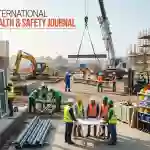



Large construction projects rarely involve a single team working independently. Structural specialists, electricians, plumbers, equipment operators, installation teams and finishing contractors often share the same worksite. Although each group has specific responsibilities, their activities can overlap and create additional workplace hazards.
Coordinating safety across multiple contractors can therefore become a significant challenge. Differences in training, equipment standards and working procedures may result in inconsistent protective practices. Establishing clear expectations around personal protective equipment in construction can help reduce these gaps and create a safer environment for everyone working on a shared site.
Why Multi-Contractor Construction Sites Present Additional Risks
When several contractors operate within the same area, workers may be exposed to hazards created by activities outside their immediate responsibilities.
For example, electricians may work near drilling operations, while installation teams move materials through areas where other contractors operate machinery. Workers can also encounter falling objects, temporary obstructions, exposed electrical components and unexpected vehicle movements.
These situations require effective communication and coordination.
A contractor may understand the hazards associated with its own activities but remain unaware of risks introduced by another team. Without shared safety arrangements, protective measures may become inconsistent.
Establishing Common PPE Requirements
One of the first steps towards better coordination is establishing minimum protective equipment requirements for everyone entering the site.
Depending on the site risk assessment, these requirements may include safety helmets, protective footwear, high-visibility clothing and suitable gloves.
Additional equipment should be determined according to individual tasks. Workers involved in grinding, welding, electrical installations or chemical handling may require specialised protection.
Common requirements help establish a consistent safety baseline, while task-specific rules ensure that workers receive protection appropriate to their activities.
A well-defined personal protective equipment in construction policy should explain which equipment is mandatory, when additional protection is required and who is responsible for checking compliance.
Understanding Contractor Responsibilities
Safety responsibilities should be clearly defined before contractors begin their work.
Project managers and site supervisors should communicate applicable safety requirements, explain restricted areas and establish procedures for reporting hazards.
Contractors should ensure that their employees receive suitable equipment, understand its limitations and complete the necessary training.
Workers also have responsibilities. They should use protective equipment correctly, inspect it before use and report defects or unsafe conditions.
Clear accountability reduces confusion and makes it easier to address safety concerns when several teams operate simultaneously.
Managing PPE Differences Between Contractors
Different contractors may use different equipment depending on their work activities, purchasing arrangements and internal procedures.
Although these differences are not automatically a problem, equipment must meet the relevant safety requirements and remain compatible with other protective items.
For example, workers may need eye protection that fits correctly with their helmets and respiratory equipment. Electrical workers may require specialised gloves and clothing that are unsuitable for other activities.
Site management should verify that equipment is appropriate for the hazards present rather than assuming that all protective items offer equivalent protection.
Consistent equipment inspections can help identify unsuitable or damaged products before they create additional risks.
Coordinating PPE During Overlapping Activities
Work activities often overlap during construction projects. This can create situations where workers face several hazards simultaneously.
Consider a building area where drilling, material transportation and electrical installation take place together. Employees may encounter dust, noise, moving equipment and electrical hazards.
Supervisors should coordinate work schedules and establish suitable separation between incompatible activities wherever possible.
Workers must also understand when they need additional protective equipment because of nearby operations.
For instance, respiratory and hearing protection may become necessary when drilling activities take place close to another working team.
This type of coordination makes personal protective equipment in construction more effective because equipment requirements are considered within the wider working environment.
Improving Communication Between Site Teams
Communication is essential when several contractors share responsibility for maintaining a safe workplace.
Daily briefings can help teams understand planned activities, changing hazards and areas where additional precautions are necessary.
Toolbox talks should explain specific risks rather than simply repeating general safety instructions.
Visual signs can also identify mandatory protective equipment, restricted access areas and locations requiring specialised precautions.
A clear reporting system allows workers to communicate concerns about missing, damaged or unsuitable equipment.
Supervisors should encourage employees to report problems without worrying about unnecessary delays or criticism.
Training Workers With Different Experience Levels
Contractors may employ workers with varying levels of experience, technical knowledge and familiarity with site procedures.
Some employees may already understand specialised equipment, while others may require additional instruction.
Induction training should therefore explain the site's common safety rules, emergency procedures and PPE expectations.
Task-specific training should cover equipment selection, correct fitting, inspection and maintenance.
Workers should also understand that protective equipment used on one project may not be suitable for another environment.
Regular refresher sessions can help maintain awareness as working conditions change.
Monitoring Compliance Across the Entire Site
Monitoring PPE use requires consistent supervision across all active work areas.
Site inspections should examine whether workers are using suitable equipment, whether protective items are damaged and whether additional requirements are being followed.
Inspection records can help identify repeated problems involving particular contractors, activities or locations.
However, monitoring should not focus exclusively on identifying mistakes. Supervisors should also investigate why workers may be avoiding certain equipment.
Uncomfortable clothing, unsuitable sizing, poor communication and limited equipment availability can all contribute to non-compliance.
Addressing these underlying problems can improve the effectiveness of personal protective equipment in construction programmes.
Building a Shared Safety Culture
A shared construction site requires a shared commitment to safety.
Workers should recognise that their actions can affect other teams, particularly when operations take place in close proximity.
Contractors can support this approach by participating in joint safety meetings, sharing relevant hazard information and cooperating during inspections.
Supervisors should encourage workers to identify unsafe conditions regardless of which contractor is responsible for the activity.
The International Health and Safety Journal provides a suitable platform for discussing these workplace challenges and the importance of coordinated occupational safety practices.
Preparing for Safer Multi-Contractor Projects
As construction projects become larger and more specialised, coordination between contractors will remain an important safety priority.
Successful management requires clearly defined responsibilities, common site requirements, task-specific equipment selection and regular communication.
Personal protective equipment in construction should form part of an integrated safety strategy rather than being treated as an individual contractor's responsibility alone.
By creating consistent expectations and encouraging cooperation, construction teams can reduce confusion, improve hazard awareness and support safer working conditions across shared sites.
Frequently Asked Questions
1. Why is PPE coordination important on multi-contractor construction sites?
Different contractors may introduce overlapping hazards. Coordinated PPE requirements help ensure that workers understand the protection needed across shared working areas.
2. Who is responsible for providing PPE to construction workers?
Responsibilities depend on applicable laws, contractual arrangements and employment relationships. Employers and relevant contractors should ensure that workers receive suitable equipment and training.
3. Should all contractors follow the same PPE requirements?
All workers should follow the site's minimum safety requirements, while additional equipment should be selected according to individual job hazards.
4. How can supervisors improve PPE compliance between contractors?
Regular inspections, induction training, joint safety briefings and clearly communicated responsibilities can improve compliance.
5. What should workers do if another contractor creates an unsafe condition?
Workers should follow site reporting procedures, inform the relevant supervisor and avoid entering hazardous areas until appropriate controls are established.