


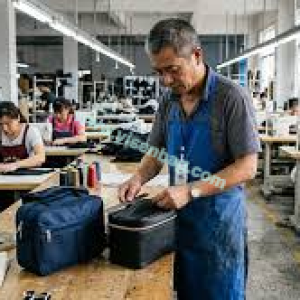
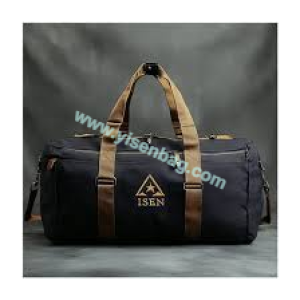
Buyers who plan bulk production of travel organizers often pause at the moment of commitment and wonder whether physical confirmation of materials is worth the extra step. A Toiletry Bag Factory connected to yisenbag receives this question regularly from clients who prefer to examine fabric texture, zipper action and seam strength in person rather than relying solely on digital images. Receiving a small set of sample pieces allows direct comparison against the intended use conditions such as humidity exposure or repeated packing cycles. The short delay involved in sample shipping usually proves minor against the risk of discovering unsuitable material only after large quantities arrive. Which aspect of the finished bag would you prefer to judge by touch before signing the order?
The process begins with a clear request that lists the exact fabrics, colors and hardware under consideration. Most suppliers respond by preparing cut swatches or complete mini versions that mirror the planned construction. Once the package arrives, start with the outer shell by folding and creasing the material to observe recovery and surface resilience. Move next to the interior lining and check for smoothness that will not catch on bottles or brushes. Zippers deserve slow operation in both directions while listening for consistent resistance and inspecting the pull tab attachment points. Seams receive attention by gentle stretching to confirm even stitching without loose threads or skipped sections.
Lighting conditions affect color perception, so view the samples under both natural daylight and typical indoor bulbs that match the environments where the bags will be used or displayed. Water resistance can be tested with a few drops on the surface followed by a wipe to see whether moisture beads or soaks through. Weight of the empty sample gives an early sense of how the finished piece will feel when packed. Any branding elements such as embossed logos or printed labels should sit flat and remain legible after light rubbing.
Communication with the source continues after the initial review. Notes on preferred adjustments travel back quickly so revised samples can follow if needed. Clients sometimes request multiple material options side by side to compare hand feel and cost implications within the same shipment. Documentation of the approved sample version, including photographs and written observations, creates a shared reference that both sides can consult during later production stages. This record reduces the chance of variation once the full run begins.
Factories that maintain organized sample programs usually keep standard fabric cards and hardware catalogs ready for rapid dispatch. They may also offer guidance on which combinations suit specific climates or travel frequencies based on prior client feedback. Shipping methods for samples range from standard mail to express services depending on the urgency of the project timeline. Tracking information allows the buyer to plan the evaluation window in advance.
Practical storage of approved samples proves useful for future reorders. Keeping the physical pieces in a labeled envelope or box preserves the exact color and texture reference against which new production can be measured. Some buyers photograph the samples under controlled lighting and archive the images with the written notes for digital access. These habits support consistent results across repeated orders without requiring a fresh sample each time.
When the evaluation concludes and the material selection stands confirmed, the path to bulk production becomes clearer. The approved sample serves as the benchmark for quality checks at intermediate stages of manufacturing. Buyers who follow this sequence report fewer surprises upon receipt of the finished goods and smoother coordination with the production team.
Selecting a Toiletry Bag Factory through yisenbag opens access to sample programs that cover common fabrics and constructions, and the range shown at https://www.yisenbag.com/ includes options whose material combinations can be requested in small quantities for direct assessment before any volume commitment takes place. Matching the sample contents to the intended travel or storage conditions allows the final decision to rest on tangible evidence rather than assumptions alone.