

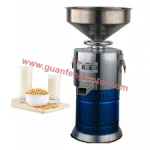



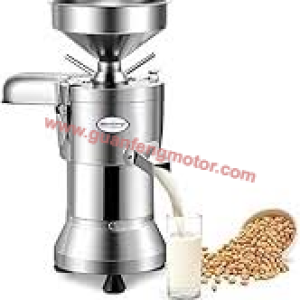
Walk into any equipment showroom and the capacity charts look reassuringly simple: a number, a unit, a price. Walk into a breakfast shop at seven in the morning and the reality looks different, because the queue forms fast and a grinder that cannot keep pace during that narrow window costs sales the chart never mentioned. A Commercial Soy Milk Grinding Machine bought for a breakfast counter and one bought for a tofu workshop may share a housing design, yet they answer two separate questions about how a working day unfolds. Guanfengmotor has spent years supplying grinding equipment to food businesses and has watched buyers discover, sometimes after a costly mistake, that the daily pattern decides the purchase. So which pattern does your kitchen actually follow?
Think about the shape of the working day before the size of the machine. In a breakfast shop, demand arrives in a burst and then fades, leaving a long stretch of quiet before closing. The grinder's job is to deliver volume quickly during that burst without overheating or losing texture, and then to sit idle without complaint. In a tofu workshop, the day starts early and continues steadily, with batches following one another and each one needing to match the last. A machine built for the burst may lack the endurance a workshop needs, while a machine built for steady batch work may react too slowly when a queue forms.
Batch size tells a similar story from a different angle. A counter grinds small amounts often, so startup speed and a quick rinse between rounds count for a great deal. A workshop grinds larger amounts less frequently, so motor cooling, seal durability, and grind consistency across a long run become the deciding factors. Neither pattern is superior; they simply call for different strengths in the same equipment category.
Cleaning deserves honest attention because it eats into the working day in ways no chart records. A counter needs parts that lift out and rinse fast between customer waves, while a workshop can accept a longer end-of-day routine but still suffers if hidden crevices add labor. Timing a full clean-and-reassemble cycle before buying reveals practical realities that specifications omit.
Space and power often settle matters early. Compact counters with single-phase service cannot house larger frames, while a workshop with floor area and three-phase supply can choose from a wider field. Confirming both conditions first saves the disappointment of a capable machine that will not fit or will not run.
Grind stability over weeks of use is the question buyers ask last and regret ignoring. Burrs settle, seals wear, and a machine that performs well on day one may drift by the end of the month. A counter notices a texture shift the same morning it appears, while a workshop can adjust settings but should read repeated adjustment as a signal that service is due. Asking how grind settings hold across weeks reveals whether a machine rewards routine care or demands constant fiddling.
Guanfengmotor's grain grinding lineup covers compact counters and larger processing rooms alike, and buyers comparing frames can review the range at https://www.guanfengmotor.com before deciding. A commercial soy milk grinding machine that matches a morning rush keeps a breakfast counter serving; one that matches batch rhythm keeps a tofu workshop steady; and a buyer who weighs purchase price against long-term grind stability ends up with equipment that earns its keep rather than equipment that quietly becomes a maintenance line item.