

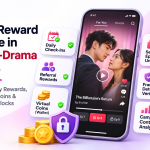

Short-drama streaming platforms increasingly use daily rewards, referral bonuses, virtual coins, and promotional campaigns to encourage viewers to return. These features can improve engagement, but they also introduce financial and operational risks.
When reward systems lack proper safeguards, users may exploit repeated check-ins, fake referrals, duplicate reward claims, or unauthorized episode unlocks. The result can be inflated promotional expenses, inaccurate wallet balances, and lost monetization opportunities.
For entrepreneurs exploring a ShortMax-style short-drama platform, understanding reward security is essential before launching engagement campaigns.
A reliable reward system must balance user incentives with accurate transaction records, abuse prevention, and transparent earning rules.
Why Reward Abuse Is a Serious Problem for Short-Drama Platforms
Reward systems encourage audiences to perform specific activities in exchange for virtual benefits.
For example, users may earn coins by completing daily check-ins, watching rewarded advertisements, or inviting friends.
These coins can sometimes unlock additional drama episodes.
However, poorly designed systems may allow users to claim rewards multiple times or generate artificial engagement.
Common risks include:
-
Creating multiple accounts to collect signup bonuses.
-
Claiming daily rewards more than once.
-
Generating fake referrals.
-
Exploiting interrupted advertisement callbacks.
-
Manipulating wallet balances through repeated requests.
-
Unlocking premium episodes without valid payment.
Even small vulnerabilities can become expensive when repeated across thousands of transactions.
1. Prevent Duplicate Daily Check-In Rewards
Daily check-ins are designed to encourage consistent participation.
Some applications increase rewards when users return on consecutive days.
However, developers must ensure that each eligible user receives only the permitted reward.
Use Server-Side Reward Validation
Reward eligibility should be verified by the server rather than the mobile application.
The server must confirm whether the user has already claimed the reward for the applicable period.
Client-side restrictions alone are insufficient because requests may be repeated or manipulated.
Define Check-In Time Rules
Platforms must clearly define when a reward day begins and ends.
Using inconsistent time zones can create duplicate claims or prevent legitimate users from receiving rewards.
A consistent server-side time policy helps maintain accurate streak calculations.
Protect Against Concurrent Requests
Two reward requests may arrive almost simultaneously.
Database-level uniqueness rules or atomic transactions should prevent both requests from crediting the same reward.
2. Prevent Fake Referral Accounts
Referral campaigns allow existing viewers to invite new users and receive promotional benefits.
These campaigns can support audience acquisition, but they also create opportunities for misuse.
Establish Clear Referral Eligibility
A referral reward should depend on a clearly defined qualifying event.
Depending on the campaign, eligibility might require successful registration, account verification, or another legitimate action.
The platform should explain these conditions before users participate.
Detect Suspicious Referral Patterns
Unusual referral activity may indicate manipulation.
Examples include many new accounts displaying identical activity patterns or repeated registrations linked to suspicious automation.
However, shared devices or networks do not automatically prove fraud.
Platforms should combine multiple signals and provide appropriate review procedures.
Limit Reward Exposure
Operators can introduce reasonable campaign limits, referral caps, and reward budgets.
These safeguards help prevent promotional costs from exceeding planned spending.
3. Secure Virtual Coin Wallets
Virtual coins often connect promotional rewards with episode monetization.
Users may receive earned coins, purchase additional balances, or spend coins to unlock premium content.
This makes wallet integrity critical.
Maintain a Transaction Ledger
Every coin movement should create a permanent transaction record containing the account, amount, transaction type, and relevant reference.
The system should distinguish purchased coins from promotional rewards where their spending rules differ.
A reliable ledger helps operators investigate disputes and reconcile balances.
Prevent Negative and Incorrect Balances
Episode purchases should validate the available balance before processing.
Concurrent spending requests must not allow users to spend the same coins twice.
Database transactions and appropriate locking or conditional updates can protect wallet accuracy.
Record Refunds and Adjustments
Refunds, expired promotional rewards, and administrative corrections should produce traceable entries.
Silently changing wallet totals without supporting transaction records creates unnecessary financial risk.
4. Validate Rewarded Advertisement Completion
Rewarded advertisements offer viewers an alternative way to unlock content.
Instead of making a purchase, users voluntarily complete an advertisement to receive a defined benefit.
However, developers should not grant rewards solely because the application reports that an advertisement finished.
Verify Ad Reward Events
Where supported by the advertising provider, server-side verification can help confirm legitimate completion events.
Prevent Repeated Callback Rewards
Advertising systems may send duplicate callbacks because of retries or temporary communication failures.
Each eligible advertisement event should generate no more than one reward.
Communicate Reward Rules
Users should understand how many advertisements they can watch, what rewards they receive, and whether daily limits apply.
Transparent policies reduce complaints and confusion.
5. Protect Premium Episode Unlocks
Short-drama applications frequently combine free episodes with paid or reward-based access.
An episode may become available after a coin purchase, subscription validation, or qualifying advertisement.
Each unlocking method requires reliable authorization.
Verify Access Before Playback
The server should check whether an account has permission to access restricted content.
Hiding a locked episode inside the interface does not provide sufficient protection.
Prevent Repeated Coin Deductions
Network interruptions may cause users to repeat an unlock request.
Idempotent transaction processing helps ensure that a retry does not charge the viewer again for the same purchase.
Preserve Legitimate Entitlements
Once an episode is validly unlocked, the platform should preserve access according to its published terms.
Users should not unexpectedly lose purchased access because of a temporary synchronization failure.
Businesses planning a white-label short-video application can apply similar authorization principles to premium videos, creator subscriptions, and digital rewards.
6. Give Operators Control Over Reward Campaigns
Reward security is not only a development concern.
Administrative tools should help operators configure campaigns and monitor their financial exposure.
Important controls include reward amounts, daily claim limits, campaign schedules, eligibility requirements, and overall promotional budgets.
Role-based permissions should restrict who can change reward values.
Sensitive administrative changes should also be recorded in audit logs.
For companies requiring customized reward workflows, professional short-drama application development services can help define the necessary application logic, administrative permissions, and transaction safeguards.
7. Measure Reward Quality, Not Just Participation
High reward participation does not automatically indicate healthy platform growth.
A campaign may generate thousands of check-ins while producing limited paid viewing or long-term engagement.
Operators should evaluate reward expenses alongside legitimate user activity.
Useful measurements include reward cost per active viewer, suspicious referral rates, duplicate claim attempts, episode unlock activity, and campaign-driven retention.
Founders can explore the broader reasons businesses select existing platform foundations in this guide to ready-made short-drama applications.
For measurement methodology, the related article on short-drama engagement and platform analytics provides additional context for evaluating viewer behavior and monetization performance.
Security metrics should complement these measurements rather than replace them.
8. A Practical Roadmap for Preventing Reward Abuse
Phase 1: Map Every Reward Flow
Document daily check-ins, referrals, advertisement rewards, purchases, and episode unlocks.
Identify where balances or access permissions change.
Phase 2: Establish Transaction Controls
Introduce server-side validation, idempotency keys, database constraints, and auditable wallet records.
Phase 3: Test Abuse Scenarios
Simulate repeated requests, concurrent claims, interrupted transactions, fake referrals, and duplicate callbacks.
Verify that legitimate users are not incorrectly blocked.
Phase 4: Configure Monitoring
Track unusual claim patterns, wallet inconsistencies, administrative changes, and campaign spending.
Phase 5: Review Campaign Performance
Compare legitimate retention and revenue against promotional costs.
Adjust reward rules based on evidence rather than engagement volume alone.
Conclusion
Reward systems can make short-drama applications more engaging, but they must be designed with financial integrity and user trust in mind.
Daily check-ins, referrals, virtual wallets, rewarded advertisements, and episode unlocking each create potential abuse scenarios.
By implementing server-side validation, transaction ledgers, reasonable campaign limits, and reliable monitoring, platform operators can reduce preventable losses without discouraging legitimate viewers.
The strongest reward strategy is not the one distributing the most coins. It is the one creating sustainable engagement while keeping every reward transparent, traceable, and secure.