




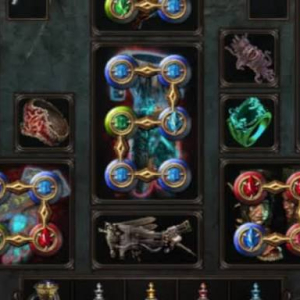



In Path of Exile, a useful item is rarely just a matter of luck. Players weigh equipment, crafting materials, and trade opportunities as they build characters capable of surviving increasingly demanding encounters. Understanding how POE orbs fit into that process can make the journey through Wraeclast feel more purposeful, whether the goal is a modest upgrade or a carefully planned endgame build.
A Currency System With a Practical Purpose
Unlike a simple gold-based economy, the original Path of Exile uses items that have practical effects as well as trading value. An Orb of Alchemy can turn a normal item into a rare one, while a Chaos Orb rerolls the modifiers on a rare item. Each choice involves both an immediate benefit and an opportunity cost.
That dual purpose gives even small discoveries weight. A player might use an orb to improve equipment during the campaign, or save it for a trade that offers a more reliable upgrade. Neither choice is automatically correct; the best decision depends on the character's current needs and the resources available.
New players benefit from reading item descriptions and experimenting with inexpensive materials. Learning what each orb does builds a foundation for later decisions, when valuable items and specialized crafting options make mistakes more costly.
Building Equipment Without Losing Focus
It is tempting to judge an item by the number of impressive modifiers it displays. In practice, the strongest upgrade is often the one that solves a specific problem. Additional life, elemental resistance, or the right weapon attributes can matter more than an increase in damage that leaves a character vulnerable.
Before spending currency, inspect the weakest part of the build. If enemies are defeating the character quickly, defensive improvements may be more valuable than a new offensive item. If survival feels comfortable but encounters take too long, a weapon or skill-related upgrade may deliver a clearer improvement.
A short checklist can keep spending decisions focused.
Identify whether damage, defenses, or mobility is the main concern.
Compare potential purchases with equipment already in use.
Keep some currency available for future crafting or trade.
Check whether an item supports the character's chosen skills.
Trade and the Value of Patience
Trading can turn unwanted finds into equipment that better suits a build, but prices shift with demand and the stage of a league. An item that seems valuable early may become easier to obtain as more players progress. Comparing several similar listings can help establish a reasonable expectation before making a purchase.
Patience is especially useful when shopping for rare equipment. Look beyond a single attractive modifier and consider the whole item: its defensive values, required attributes, and compatibility with the rest of the character's gear. A slightly less dramatic purchase may provide a better overall fit.
It also helps to set a spending limit before browsing. Keeping a reserve allows room for smaller adjustments, such as replacing an underperforming piece of equipment after a new weakness becomes apparent.
Planning for the Next Stage
As characters progress into maps and more demanding encounters, priorities change. Equipment that worked throughout the campaign may need to be replaced, and defensive requirements become harder to ignore. A good plan leaves room for those changes rather than committing every resource to a single item.
Reviewing the build after difficult encounters is often more useful than making several purchases at once. Notice what caused trouble, test one improvement, and assess the result. This approach makes it easier to distinguish a genuine weakness from a problem caused by unfamiliar encounter mechanics.
Ultimately, the economy is most useful when it supports the way a player wants to play. Whether someone spends carefully earned POE chaos orbs on a practical upgrade or saves them for a future project, a clear plan makes each decision feel more rewarding.