



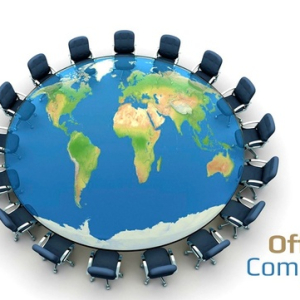

International trade has always played an important role in connecting economies, businesses and consumers. Today, companies can source products from one continent, manage commercial relationships in another and distribute goods across several international markets. Behind many of these operations are international trading companies that coordinate transactions and help products move between suppliers and buyers.
For entrepreneurs looking to enter global markets, establishing a trading business can create opportunities to work with different industries, build international partnerships and expand beyond domestic demand.
The Role of Trading Companies in Global Commerce
A trading company operates by purchasing products from manufacturers, wholesalers or other suppliers and reselling them to customers, retailers or distributors. Rather than producing goods itself, the company focuses on commercial activities such as sourcing, purchasing, negotiating prices and organising deliveries.
This business model can cover a wide range of industries, including consumer goods, electronics, industrial equipment, construction materials, agricultural products and raw materials.
Trading companies can also simplify international transactions. Manufacturers may prefer to concentrate on production instead of managing relationships with multiple foreign customers. A trading intermediary can coordinate these commercial activities and connect businesses that might otherwise struggle to establish direct partnerships.
Choosing the Right Trading Business Model
The structure of a trading operation depends on its target customers, products and commercial strategy.
In a B2B trading model, a company purchases goods and resells them to other businesses. Its clients may include wholesalers, retailers, distributors or industrial enterprises. Long-term contracts, negotiated prices and recurring orders are often important features of this approach.
A B2C trading model focuses on selling products directly to individual consumers. Depending on the business, sales may take place through physical shops, distribution networks or digital platforms.
Some companies also operate as international intermediaries, coordinating transactions between manufacturers and buyers in different countries. The appropriate model depends on the company's role in the supply chain, its contractual responsibilities and the markets it intends to serve.
Corporate Structure and International Operations
Establishing a trading company involves more than registering a legal entity. Entrepreneurs need to consider how the company will conduct transactions, manage commercial risks and organise relationships with suppliers and customers.
The choice of company jurisdiction is an important part of this planning process. Different countries have different rules concerning company registration, taxation, accounting, reporting and international business activities.
The location of the company's bank, its directors and shareholders, and the countries where commercial operations take place may also influence the overall structure.
A well-planned corporate structure should reflect the actual business model. It should support transparent transactions, practical administration and compliance with the applicable legal requirements.
Logistics, Banking and Regulatory Considerations
International trading involves several operational elements that need to work together. Businesses must consider transportation, warehousing, customs procedures, insurance and contractual arrangements with suppliers and buyers.
Import and export requirements can vary depending on the goods and countries involved. Certain products may require special permits, certificates or additional regulatory checks. Companies should establish these requirements before entering a new market.
International banking is another important consideration. Trading companies need suitable financial arrangements for receiving customer payments, paying suppliers and handling transactions in different currencies. Banks and financial institutions may request information about the company's ownership, business activities, counterparties and expected transaction volumes as part of their compliance procedures.
Tax obligations also require careful attention. Depending on the countries involved, a trading operation may need to consider corporate income tax, VAT or other indirect taxes, customs duties and reporting requirements.
Building a Trading Business for Long-Term Growth
A successful international trading operation depends on more than finding products at competitive prices. Reliable suppliers, carefully selected markets, clear contracts and efficient financial processes all contribute to sustainable business development.
Entrepreneurs should assess their commercial objectives before deciding where and how to incorporate. A structure suitable for a small distribution business may not be appropriate for a company managing multiple suppliers, international warehouses and large cross-border transactions.
Confidus Solutions assists entrepreneurs with international company formation, corporate structuring and related business support. Professional advice can help business owners assess jurisdictional options and consider the legal, financial and administrative requirements associated with their planned trading activities.
As global commerce continues to evolve, trading companies remain an important link between producers and markets. With a clear strategy and an appropriately structured business, entrepreneurs can build international relationships and develop operations with room for long-term growth.