

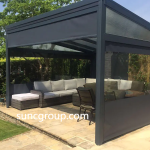

Commercial outdoor spaces need to balance comfort, appearance, and practical use. Restaurants, hotels, offices, and retail properties may all have different requirements for managing sunlight and creating more usable outdoor areas. When selecting a Zip Screen system, project buyers should consider how the product will work with the building, the surrounding environment, and the daily activities of its users.
Understand the Purpose of the Project
The first step is to identify why the shading system is needed. A restaurant may want to make its outdoor dining area more comfortable, while a hotel may focus on creating a pleasant environment for guests. An office building may need a solution that helps manage sunlight around windows or outdoor meeting areas.
These differences influence product selection. Buyers should consider whether the main purpose is to reduce direct sunlight, improve privacy, create a more sheltered space, or support several functions at the same time.
It is also useful to understand how frequently the area will be used. A commercial terrace with regular customer activity may have different requirements from an outdoor space that is used occasionally. Defining the intended application helps buyers avoid choosing products based only on appearance.
Consider the Building's Architectural Style
A shading system is part of the overall building design. Its appearance should coordinate with the facade, window arrangement, exterior materials, and surrounding architectural features.
For commercial developments, visual consistency can influence how customers and visitors perceive a property. A product that fits naturally into the building design may help maintain a clean and coordinated exterior appearance.
Buyers should review available colors, fabric appearances, and installation arrangements before making a decision. They can also discuss whether the selected system can be integrated with the building's existing design.
For projects involving several buildings or multiple installation areas, consistency becomes particularly relevant. A coordinated product selection can help create a unified appearance across different parts of the property.
Evaluate Sunlight and Weather Conditions
Outdoor conditions are another important consideration. The direction of sunlight, surrounding buildings, local weather, and exposure to wind or rain may all affect how a shading system is used.
A project in an area with strong sunlight may place greater emphasis on controlling glare and reducing direct exposure. Locations that experience frequent rainfall may require additional attention to the product's suitability for outdoor conditions.
For buyers considering a Waterproof Zip Screen, it is important to understand the intended level of weather protection and the conditions under which the product is designed to be used. Buyers should discuss these requirements with the manufacturer instead of assuming that every outdoor screen provides the same protection.
The surrounding environment should also be reviewed. Buildings near open spaces, landscaped areas, or exposed terraces may face different conditions from installations within sheltered courtyards.
Match Product Functions With Daily Operations
Commercial spaces are used by different groups of people throughout the day. The shading system should support these activities without making the area difficult to operate or maintain.
For example, restaurants may need to adjust outdoor shading according to changing sunlight and customer seating arrangements. Hotels may prioritize guest comfort and a consistent appearance across outdoor areas. Office projects may focus on controlling glare while maintaining a comfortable working environment.
Buyers should consider how the system will be operated and who will be responsible for its daily use. Ease of operation, access for maintenance, and compatibility with the property's management arrangements are all worth discussing before purchasing.
The best product choice depends on how well its functions support the actual activities taking place in the space.
Review Fabric and Visual Requirements
The screen material influences the appearance and intended use of the system. Different fabric options may offer different levels of visibility, light control, and privacy.
A restaurant may prefer a fabric that provides shade while maintaining a connection with the outdoor surroundings. A private hospitality area may require greater visual separation. An office project may need to consider the relationship between daylight, glare, and indoor comfort.
Buyers should review fabric samples where possible and compare them under conditions similar to the intended installation environment. Looking at samples alongside the building's exterior materials can also help with color and appearance decisions.
Rather than selecting fabric based on a catalogue image alone, project teams should consider how it will look and function as part of the completed space.
Plan Installation and Maintenance Early
Installation should be considered during the project planning stage. Buyers need to understand the building conditions, available fixing areas, and coordination requirements with other construction work.
For renovation projects, the existing facade and surrounding structures may influence the available installation options. For new developments, early communication between architects, contractors, and suppliers can help avoid conflicts with other building elements.
Maintenance is equally relevant for commercial properties. Dust, leaves, and outdoor exposure can affect the appearance of screens over time. Buyers should ask about recommended cleaning methods, routine inspection, and access to components that may require attention.
A practical maintenance arrangement can help property managers keep outdoor areas presentable without creating unnecessary disruption to daily operations.
Compare Suppliers Based on Project Support
Product selection is only one part of commercial procurement. Buyers should also evaluate whether a supplier understands project requirements and can provide useful support throughout the purchasing process.
Relevant considerations include product information, available design options, communication, order coordination, and after-sales assistance. Suppliers should be able to explain product suitability and identify any limitations related to the intended application.
It is helpful to share project drawings, photographs, or descriptions of the installation environment when requesting recommendations. This gives the supplier a clearer understanding of the project and makes product discussions more relevant.
For commercial buyers exploring outdoor shading solutions, https://www.suncgroup.com/ provides an opportunity to review product offerings and discuss different project requirements.
Making Product Selection More Practical
A suitable shading solution should reflect the building's design, the local environment, and the needs of the people using the space. By reviewing these factors before purchasing, project buyers can make more informed decisions and reduce the risk of choosing a product that does not fit the intended application.