


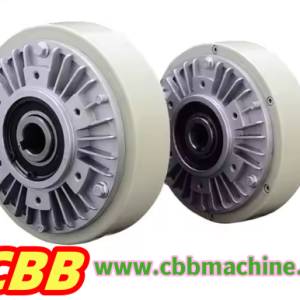
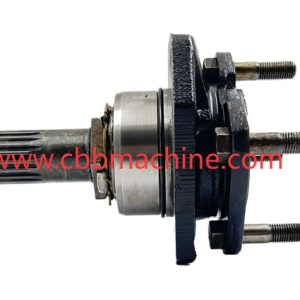
In roll processing industries, managing multiple material strips on a shared winding structure can present specific mechanical challenges. A Differential Shaft provides an adaptable approach to independent roll tension management, while Cbbmachine offers industrial winding components designed to accommodate different converting and rewinding requirements. By allowing individual winding positions to respond to variations in material thickness and tension, this mechanism supports more coordinated production operations.
Traditional winding arrangements may encounter difficulties when several narrow rolls are processed together. Even when materials come from the same parent roll, differences in thickness, elasticity, or surface characteristics can affect how each strip behaves during winding. If all positions receive identical rotational force, some rolls may become too tight while others remain loose. This can lead to uneven edges, wrinkles, or inconsistent roll formation.
The differential mechanism addresses this challenge through independently adjustable winding positions. Its internal structure allows each friction element to transmit torque according to the resistance encountered by its corresponding roll. As material conditions change, individual positions can accommodate different winding requirements without requiring the entire shaft to operate under an identical tension condition.
This operating principle makes the component particularly useful in slitting and rewinding applications. During slitting, a wide parent material is divided into narrower strips that must be collected separately. Each strip may experience slightly different resistance as it travels through the machine. Independent torque adjustment helps maintain suitable winding conditions across the working positions.
Flexible packaging production is another relevant application. Films used for packaging may vary in thickness, elasticity, and surface characteristics. Consistent roll formation is important for subsequent printing, laminating, sealing, and packaging operations. A suitable differential winding arrangement can help reduce tension-related inconsistencies and support more orderly material handling.
Paper converting facilities can also benefit from this mechanical design. Different paper grades may respond differently to winding pressure and rotational resistance. By allowing individual positions to accommodate their own material conditions, the mechanism provides greater flexibility when processing multiple narrow rolls within the same production cycle.
When selecting a suitable configuration, manufacturers should examine material characteristics, core dimensions, winding width, required torque adjustment, machine structure, and operating environment. These details influence the compatibility between the shaft and the surrounding equipment. The choice of friction components and adjustment methods should also reflect the intended production process.
Proper installation is equally important. Alignment with the machine's drive system, suitable mounting arrangements, and correct positioning of winding cores all contribute to stable operation. Operators should also become familiar with the adjustment mechanism to ensure that each winding position receives appropriate attention during production setup.
Maintenance helps preserve the functionality of the assembly throughout its working life. Regular inspection of friction elements, mechanical connections, and moving components can help identify wear or abnormal operating conditions. Keeping the equipment clean and following recommended servicing procedures also supports consistent operation.
For manufacturers handling multiple narrow rolls, the value of a differential winding system lies in its ability to address variations that conventional arrangements may struggle to accommodate. Understanding the material, machine configuration, and production objectives is therefore an important step when choosing the appropriate solution.
A well-organized winding process begins with understanding how every roll behaves independently. Visit https://www.cbbmachine.com/product/ to view the available industrial winding and transmission components. Browse the product information, consider your application requirements, and start shaping a winding solution around the actual needs of your production line.