




Have you noticed brown patches, uneven skin tone, or stubborn dark marks appearing after spending time outdoors? Pakistan's strong sunlight, especially during summer, can contribute to sun-related pigmentation and make existing dark spots more noticeable.
The good news is that chemical peels may help improve certain types of sun-related pigmentation by exfoliating damaged surface skin and encouraging skin renewal. However, the results depend on the type of pigmentation, your skin tone, and the treatment selected. If you are considering Chemical Peel In Islamabad, understanding how these treatments work can help you make a safer and more informed decision.
Why Does Sun Exposure Cause Dark Spots?
When your skin is exposed to ultraviolet (UV) radiation, it produces more melanin, the pigment responsible for skin colour. This is a natural defence mechanism, but repeated or excessive exposure can cause uneven pigment production.
Over time, this may lead to freckles, sun spots, and other forms of hyperpigmentation. These marks commonly appear on the face, forehead, cheeks, nose, hands, and other areas regularly exposed to sunlight.
Repeated sun exposure can make existing pigmentation darker and more noticeable. People who spend long hours outdoors without adequate sun protection may be particularly concerned about uneven skin tone.
Can Chemical Peels Fade Sun-Related Dark Spots?
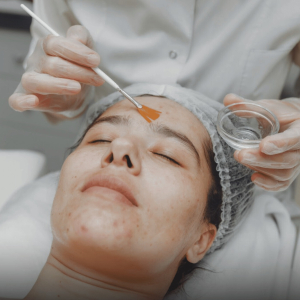
Yes, certain chemical peels can help improve superficial pigmentation caused by sun exposure. They use exfoliating ingredients to remove some damaged outer skin cells, which may gradually reduce the appearance of dark spots and improve overall skin texture.
The treatment may be useful for selected cases of mild sun damage, uneven tone, and superficial pigmentation. However, deeper pigmentation may respond less effectively and require a different treatment approach.
Chemical peels improve the appearance of pigmentation rather than guaranteeing its complete removal. The number of sessions and the level of improvement depend on the cause, depth, and individual skin response.
Which Chemical Peel Ingredients May Help?
Different peeling agents work in different ways, so choosing the right ingredient is important. A dermatologist or qualified skin professional should assess your skin before recommending a treatment.
Glycolic Acid
Glycolic acid is an alpha-hydroxy acid (AHA) that exfoliates the skin's surface. It may help improve dullness, uneven texture, and some forms of superficial pigmentation.
Its concentration and treatment depth matter, particularly for people with darker or pigmentation-prone skin. A stronger peel is not automatically more effective or safer.
Lactic Acid
Lactic acid is another AHA that helps remove dead skin cells and improve surface texture. It may be considered for people seeking a gentler exfoliating approach, depending on their skin condition.
It can help improve the appearance of mild uneven tone, although results vary. Your skin specialist should decide whether it is suitable for your particular concern.
Mandelic Acid
Mandelic acid has a larger molecular structure than glycolic acid and generally penetrates more slowly. It may be considered for some patients with sensitive or pigmentation-prone skin.
However, slower penetration does not mean it is risk-free. Professional assessment is still necessary, especially if you have a history of irritation or dark marks after acne.
Is Every Dark Spot Caused by Sun Exposure?
Not necessarily. Dark marks can develop for several reasons, and identifying the cause is essential before choosing a treatment.
Sun spots, also called solar lentigines, are associated with cumulative UV exposure. Melasma can appear as brown or grey-brown patches and may be influenced by sunlight, hormones, and genetic factors.
Post-inflammatory hyperpigmentation develops after inflammation or injury, such as acne, eczema, or irritation from skincare products. These conditions may look similar but do not always respond to the same treatment.
A skin specialist should examine persistent or changing spots before cosmetic treatment. Any spot that changes in size, shape, or colour, or starts bleeding, should be medically assessed rather than treated as ordinary pigmentation.
What to Consider Before Getting a Chemical Peel in Islamabad
Pakistani skin tones vary, but many people have medium to darker complexions that can be more prone to post-inflammatory hyperpigmentation after irritation. This makes treatment selection and careful aftercare particularly important.
If you are researching Chemical Peel In Islamabad, discuss the following points during your consultation:
-
Type of pigmentation: Find out whether the spots are sun spots, melasma, or post-inflammatory marks.
-
Skin tone and sensitivity: Explain whether your skin becomes irritated or develops dark marks easily.
-
Peel ingredients: Ask which acid and concentration are appropriate for your skin.
-
Treatment depth: Understand whether a superficial or deeper peel is being considered and why.
-
Expected sessions: Ask how many treatments may be needed and how much improvement is realistic.
-
Sun protection: Discuss how to protect your skin before and after the procedure.
A personalised treatment plan is more important than choosing a peel based on popularity. Avoid clinics promising instant whitening or complete removal of every dark spot.
How to Prepare for a Chemical Peel
Preparing your skin properly can reduce the risk of unnecessary irritation. Your specialist may recommend temporarily stopping retinoids, exfoliating acids, or other active products before treatment.
Avoid tanning, harsh scrubs, waxing, and irritating skincare treatments unless your clinician advises otherwise. Tell your provider about any medicines you use, previous chemical peels, skin allergies, or history of cold sores.
Do not experiment with strong acids at home before your appointment. Your skin should be in a suitable condition before a professional peel is performed.
Aftercare: How to Prevent Dark Spots from Returning
After a chemical peel, the skin may become temporarily sensitive, dry, or slightly red. Some treatments cause mild flaking, while deeper peels may involve more noticeable peeling and a longer recovery period.
Sun protection is essential because newly treated skin can be more vulnerable to UV exposure. Use a broad-spectrum sunscreen with SPF 30 or higher, reapply as directed, and wear a hat or seek shade when spending time outdoors.
Keep your routine gentle with a suitable cleanser and moisturiser. Avoid picking or pulling peeling skin, and restart retinoids or exfoliating products only when your specialist confirms it is safe.
Preventing new pigmentation is just as important as treating existing spots. Without consistent sun protection, dark marks may return or become more noticeable.
How Many Chemical Peel Sessions Are Needed?
The number of sessions depends on the type and depth of pigmentation, the peeling agent, and your skin's response. Some people notice a gradual improvement after one treatment, while others may need a series of sessions spaced appropriately apart.
Your skin specialist should monitor progress and adjust the treatment plan if necessary. Repeated aggressive peels are not a shortcut to faster results and may increase the risk of irritation or pigmentation.
Gradual improvement is generally a more sensible goal than dramatic changes in a short time.
Frequently Asked Questions
Can chemical peels remove sun spots completely?
They may fade some superficial sun spots, but complete removal is not guaranteed. Deeper or persistent pigmentation may need alternative treatments.
Are chemical peels suitable for darker Pakistani skin?
They can be suitable when the peel is carefully selected and professionally performed. The risk of post-inflammatory pigmentation makes individual assessment especially important.
How long does it take to see results?
Improvement usually develops gradually as the skin heals and renews. The timeline depends on the peel depth, pigmentation, and individual response.
Can dark spots return after a chemical peel?
Yes. Continued sun exposure can trigger new pigmentation or make existing marks darker. Consistent sunscreen use and protective habits help maintain results.
Get Professional Advice for More Even-Looking Skin
Chemical peels can be a useful option for improving selected types of sun-related pigmentation, but the right treatment depends on your skin and the cause of the dark spots. Dynamic Aesthetic Clinic is worth considering for personalised skin assessments, expertise from board-certified surgeons, and advanced aesthetic techniques selected according to individual needs. A professional consultation can help you understand suitable peel options, expected results, and aftercare for healthier-looking skin.
Meta Description: Can Chemical Peel In Islamabad fade sun spots? Learn about suitable peel ingredients, pigmentation risks, treatment options, and aftercare.