

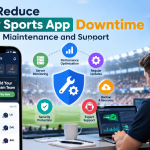


A fantasy sports app needs to work smoothly, especially when live matches are happening. Users open these apps to create teams, check player statistics, follow live scores, join contests, and track their points. If the app suddenly stops working during an important match, users can become frustrated and may even stop using it.
App downtime is one of the biggest challenges for fantasy sports businesses. Even a few minutes of downtime during a popular match can affect user experience, reduce engagement, and create financial losses. It can also damage the trust users have in the platform.
The good news is that most downtime issues can be reduced with proper planning, regular monitoring, and expert technical support. In this blog, we will discuss some practical ways to reduce fantasy sports app downtime and keep your platform running smoothly.
1. Identify the Main Reasons Behind App Downtime
Before finding a solution, it is important to understand why an app goes offline or becomes unresponsive. There can be several technical reasons behind downtime.
Some common causes include:
-
Server overload: When too many users access the app at the same time, servers may struggle to handle the traffic.
-
Poor database performance: Slow database queries can affect loading speed and prevent users from accessing important information.
-
Software bugs: Coding errors or unexpected technical problems can cause the app to crash.
-
Outdated technology: Older frameworks, libraries, and software versions may create compatibility and performance issues.
-
Third-party API failures: Fantasy sports apps depend on external services for live scores, player information, and payment processing. If these services fail, some app features may stop working.
-
Security problems: Cyberattacks and suspicious activities can affect server performance and app availability.
Understanding these problems helps businesses take the right steps before they turn into bigger issues.
2. Monitor App Performance in Real Time
One of the easiest ways to reduce downtime is to monitor your app regularly. Waiting for users to report a problem is not a good maintenance strategy.
Real-time monitoring helps technical teams identify unusual activities and performance problems before they affect a large number of users.
For example, if your app suddenly starts taking more time to load during a live football match, monitoring tools can help identify whether the issue is related to server response time, database performance, or network traffic.
Your technical team should regularly monitor:
-
Server uptime and response time.
-
CPU and memory usage.
-
Database performance.
-
API response time.
-
App crashes and error reports.
-
Login and payment failures.
With proper monitoring, developers can quickly identify problems and take action before users experience major disruptions.
3. Upgrade Server Infrastructure to Handle High Traffic
Fantasy sports apps often experience sudden traffic increases during major sporting events. Thousands of users may log in at the same time to create teams, join contests, and check live scores.
If your server infrastructure is not prepared for this traffic, the app may become slow or stop responding.
To avoid this situation, businesses should invest in scalable server infrastructure.
Here are some useful approaches:
- Cloud hosting: Cloud platforms allow businesses to increase server resources when traffic grows. This helps applications handle changing user demand.
- Auto-scaling: Auto-scaling automatically adds or removes server resources based on traffic requirements.
- Load balancing: Load balancers distribute incoming requests across multiple servers instead of sending everything to one server.
- Content Delivery Network (CDN): A CDN helps deliver static content, such as images and files, from servers closer to users, reducing loading time.
These improvements help fantasy sports platforms manage heavy traffic without affecting the overall user experience.
4. Perform Regular App Updates and Maintenance
Launching a fantasy sports app does not mean the technical work is finished. Apps need regular updates to remain secure, stable, and compatible with changing technologies.
Over time, software bugs, outdated libraries, and compatibility issues can affect app performance. If these problems are ignored, they may eventually cause unexpected downtime.
Regular maintenance should include:
-
Fixing reported bugs and technical errors.
-
Updating operating systems and development frameworks.
-
Checking third-party integrations.
-
Improving database performance.
-
Removing unnecessary code and files.
-
Testing important app features after updates.
Businesses can work with experienced developers or choose professional mobile app maintenance services to manage these activities.
A planned maintenance schedule also helps teams fix smaller issues before they become serious problems.
5. Test the App Before Major Sports Events
Major sporting events can bring a large number of users to fantasy sports platforms. This makes performance testing especially important.
Imagine your app works perfectly with 5,000 active users but crashes when 30,000 users log in together. Such a problem can seriously affect your business during an important match.
Load testing and stress testing help identify these weaknesses before real users experience them.
Here are some testing methods businesses should consider:
- Load testing: Checks how the app performs under expected user traffic.
- Stress testing: Tests the app beyond its normal capacity to understand where performance starts to fail.
- Spike testing: Checks how the platform responds to sudden increases in user activity.
- Regression testing: Makes sure new updates do not affect existing features.
A reliable fantasy sports app development company should consider these testing methods during development and ongoing maintenance.
Testing before major matches gives developers enough time to identify server limitations, fix bugs, and improve performance.
6. Keep Backup and Disaster Recovery Plans Ready
Even with proper maintenance, unexpected technical failures can happen. A server may fail, a database may become corrupted, or a security incident may interrupt normal operations.
This is why every fantasy sports business should have a backup and disaster recovery plan.
A proper backup strategy should include:
-
Regular database backups.
-
Secure storage of important application files.
-
Backup copies stored in a separate location.
-
Clear recovery procedures.
-
Regular backup restoration tests.
Businesses should also prepare a disaster recovery plan that explains how the technical team will restore services after a major failure.
Simply creating backups is not enough. Teams should test them regularly to confirm that the data can actually be restored when needed.
7. Manage Third-Party API Integrations Properly
Fantasy sports applications depend on different third-party APIs to provide important services. These may include live sports data, payment gateways, notifications, maps, and user authentication.
If an external API becomes unavailable, some features of your application may stop working.
For example, if a sports data API fails during a live match, users may not receive updated player statistics or scores.
To reduce this risk, businesses should:
-
Monitor API response times.
-
Set proper timeout limits.
-
Use retry mechanisms for temporary failures.
-
Cache frequently requested data when appropriate.
-
Maintain backup API providers where possible.
-
Display clear messages when external services are unavailable.
Developers should also avoid making the entire application dependent on a single external service. This helps keep other app features working even when one integration experiences problems.
8. Have an Expert Support Team Available
Technical problems do not always happen during working hours. A fantasy sports app may experience issues during late-night matches, weekends, or major sporting events.
Without proper technical support, even a small issue can take hours to resolve.
An experienced support team can monitor the application, investigate errors, fix technical problems, and restore services quickly.
Businesses should consider having:
-
Regular server monitoring.
-
Emergency technical support.
-
Quick bug-fixing processes.
-
Security monitoring.
-
Database management.
-
Performance optimization.
Nimble AppGenie understands the importance of maintaining reliable mobile applications. Working with an experienced technical team can help businesses manage ongoing maintenance requirements and keep their fantasy sports platforms ready for changing user demands.
9. Maintain Strong Security to Prevent Unexpected Downtime
Security problems can also affect app availability. Malware, DDoS attacks, unauthorized access, and other cyber threats may put pressure on servers or interrupt application services.
Fantasy sports platforms also handle important user information, account details, and sometimes financial transactions. Protecting this information should be a priority.
Some important security practices include:
-
Using secure authentication methods.
-
Enabling SSL certificates.
-
Applying regular security patches.
-
Monitoring suspicious login attempts.
-
Protecting APIs from unauthorized requests.
-
Performing regular security audits.
-
Using DDoS protection where required.
A secure application is less likely to experience disruptions caused by preventable security issues.
10. Create a Proper App Maintenance Plan
Reducing downtime requires consistent effort. Businesses should not wait until something breaks before contacting their developers.
A proper maintenance plan helps teams identify what needs to be checked and when.
Here is a simple maintenance schedule:
|
Maintenance Activity |
Recommended Frequency |
|---|---|
|
Server performance monitoring |
Daily |
|
Error and crash monitoring |
Daily |
|
Database health checks |
Weekly |
|
Security checks |
Weekly |
|
Backup restoration testing |
Monthly |
|
Software and framework updates |
As required |
|
Load and stress testing |
Before major events |
|
Complete performance audit |
Quarterly |
The exact schedule may change depending on app size, user activity, infrastructure, and business requirements.
Nimble AppGenie can help businesses understand the importance of ongoing technical support, performance improvements, and planned application maintenance.
Conclusion
Fantasy sports app downtime can affect user satisfaction, business revenue, and platform reputation. However, businesses do not have to wait for major technical failures before taking action.
Regular performance monitoring, scalable server infrastructure, proper testing, database optimization, security updates, and expert technical support can help reduce unexpected downtime.
The most important thing is to treat maintenance as an ongoing business requirement rather than an occasional technical activity.
Choosing the right fantasy sports app development company can also make a difference, as experienced developers can identify technical weaknesses and suggest suitable improvements.
With a well-planned maintenance strategy and reliable support from Nimble AppGenie, businesses can keep their fantasy sports applications stable, improve user experience, and provide a smoother experience during important sporting events.