

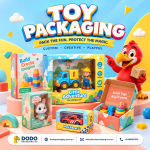

A toy is judged twice before it is ever played with. First, a child spots it on a shelf or screen and decides they want it. Then a parent picks it up, checks the box, and decides whether it feels safe, well made and worth the price. Toy packaging has to win both moments.
For toy brands, makers and retailers, the box is the first product experience. It protects delicate parts, tells the buyer what is inside and makes the item feel like a gift. This guide covers the main styles, materials, design principles and practical tips for choosing custom toy boxes that work as hard as the toys inside them.
Why Toy Packaging Matters More Than You Think
Most toys are bought on impulse or as gifts, and the packaging does much of the selling. A well-designed box can:
- Capture attention in a crowded toy aisle or online marketplace
- Communicate value through finish, structure and print quality
- Protect the product from crushing, moisture and rough handling
- Reassure parents with clear age guidance, contents and safety information
- Create a gifting moment that encourages unboxing photos and word of mouth
Poor packaging does the opposite. Dented corners, flimsy walls or a confusing layout make even a great toy look cheap.
Popular Types of Toy Packaging Boxes
Different toys need different structures. Matching the box style to the product is the first decision to get right.
Window Toy Boxes
A clear PET window lets buyers see the toy without opening the box. This is ideal for action figures, dolls, puzzles and small collectibles, where the product itself is the biggest selling point. It also cuts down on handling in-store, so boxes stay in better condition.
Tuck End and Folding Carton Boxes
Lightweight, affordable and easy to assemble, folding cartons suit card games, craft kits, small figurines and stocking-filler items. They print beautifully and ship flat, which saves storage space.
Rigid Toy Gift Boxes
Premium collectibles, limited editions and keepsake toys deserve a rigid setup box. The thick board, smooth wrap and optional magnetic closure give a high-end feel that lifts perceived value and supports a higher price point.
Sleeve Packaging
A printed sleeve slides over a tray or inner box, which makes it easy to change designs for seasonal ranges without redeveloping the whole structure. If you are weighing this option, our sleeve packaging range is a good starting point.
Mailer and Shipping Boxes
For online toy stores and subscription brands, the outer box needs to survive transit and still look good on the doorstep. Corrugated mailers with branded printing and protective inserts do both jobs.
Choosing the Right Materials
Material choice affects cost, durability, print quality and sustainability. Here is how the common options compare.
| Material | Best For | Key Advantages | Consider |
|---|---|---|---|
| Cardboard / paperboard | Games, puzzles, small toys | Affordable, excellent print surface, easy to fold | Less impact protection |
| Corrugated board | Shipping, heavy or bulky toys | Strong, cushions impact, stackable | Rougher print finish than paperboard |
| Rigid board | Premium and collectible toys | Luxurious feel, sturdy, reusable | Higher cost, ships assembled |
| Kraft paper | Natural, eco-conscious ranges | Earthy look, recyclable, takes stamping well | Colours print softer |
| PET window film | Display-focused boxes | Clear product view | Separate material to recycle |
When sustainability matters to your customers, consider eco-friendly toy packaging made from recycled or FSC-certified board with soy-based inks. Many parents now look for plastic-free or recyclable packaging, and it is a strong brand story for educational and wooden toy labels in particular.
Playing Card Packaging
Card games sit in a special corner of the toy market. They are compact, collectible and often bought as gifts, so the box carries a lot of weight. Playing card packaging needs to hold a deck snugly, resist bending and look sharp enough to be displayed on a shelf or table.
Tuck boxes remain the classic choice, but premium decks, trading card sets and collector editions often move to rigid or drawer-style boxes with foil stamping, embossing or spot UV on the artwork. Details like a thumb notch, a magnetic closure or a custom insert help the deck feel like a collectible rather than a commodity.
If you are launching a card game, trivia set or collectible deck, explore our dedicated playing card packaging options to see the styles, sizes and finishes available.
Design Principles for Toy Packaging That Gets Picked Up
Great toy packaging is not about cramming in more graphics. It is about clarity and appeal.
Make the Toy the Hero
Use a window, a die-cut or a large product image so the toy is instantly recognisable. Buyers should understand what it is and what it does within two seconds.
Use Colour With Purpose
Bright, high-contrast palettes suit younger audiences, while muted tones and minimalist layouts work for design-led, collectible or adult-collector toys. Always check that colours stay consistent from screen proof to printed box.
Add Finishes That Invite Touch
Toys are tactile, so packaging should be too. Consider:
- Matte lamination for a soft, premium feel
- Gloss spot UV to highlight characters or logos
- Foil stamping for limited editions and gift sets
- Embossing for textured detail on titles and artwork
Include Clear Information
Parents look for age grading, piece count, battery requirements and warnings. Keep this information easy to find without cluttering the front panel. Place it on the back or side panels with legible type.
Safety and Compliance Considerations
Toy packaging operates in a regulated space. Products sold in Australia must meet mandatory safety standards, and packaging often carries the warnings and age information that accompany them. Always confirm requirements for your specific product with the relevant authority, such as the Australian Competition and Consumer Commission (ACCC), before finalising artwork.
A few practical packaging points:
- Avoid small loose parts in packaging aimed at young children
- Keep plastic films and bags clear of cribs and young kids, with appropriate warnings where needed
- Choose inks and coatings suitable for products children will handle
- Make sure inserts hold small pieces securely so nothing rattles loose in transit
Protecting Toys in Transit and on Shelf
A beautiful box means little if it arrives crushed. Build protection into the structure:
- Custom inserts in paperboard, corrugate or EVA foam hold toys in place
- Reinforced corners prevent dented edges on retail boxes
- Right-sized boxes reduce movement and waste at the same time
- Outer shippers shield retail boxes when sending to stores or customers
For fragile items like ceramic collectibles or electronic toys, test your packaging with drop and compression checks before placing a large order.
Custom Toy Boxes for Different Toy Categories
Plush and Soft Toys
Soft toys suit window boxes or open-front cartons that show texture and character. A gift-style rigid box works well for premium keepsake plush.
Building Blocks and Construction Sets
These need sturdy, stackable cartons with dividers or inner bags to separate piece types. Clear piece counts and age guidance matter here.
Puzzles and Board Games
Two-piece lid-and-base boxes protect cardboard contents and stack neatly on shelves. A strong spine design helps games stand out when they are stored sideways.
Collectibles and Figurines
Limited-run figures benefit from rigid boxes, foam or paperboard inserts and numbered or foil-stamped details that signal exclusivity.
Craft, Science and Activity Kits
Kits with multiple components need compartments, tuck flaps and a clear contents list, plus space for instruction sheets.
Educational and Wooden Toys
Kraft or recycled board with minimal printing matches the natural feel of the product and appeals to eco-minded parents.
Seasonal and Gifting Opportunities
Toy sales spike around Christmas, birthdays and holidays like Easter. Seasonal sleeves, gift sets and limited-edition boxes give you a reason for customers to buy again, and they let you refresh your range without redesigning your whole structure. Lightweight add-ons such as bag toppers can also turn small toys or party favours into polished retail-ready items.
How to Choose the Right Toy Packaging Supplier
When you compare suppliers, look beyond price per unit. Ask about:
- Minimum order quantities, especially if you are testing a new product
- Sampling and proofing, so you can check size, colour and structure first
- Custom sizing and die-lines for toys with unusual shapes
- Print and finishing options that match your brand and budget
- Lead times, particularly ahead of peak retail periods
- Local support, which makes communication and delivery simpler
Common Toy Packaging Mistakes to Avoid
- Oversized boxes that look empty and cost more to ship
- Cluttered front panels that hide the toy and the brand
- Ignoring shelf placement, such as which panel will actually face the customer
- Skipping samples, which leads to surprises with fit and colour
- Overlooking sustainability, which matters more to buyers every year
Final Thoughts: Make the Box Part of the Play
Toy packaging does three jobs at once: it protects the product, attracts the buyer and builds trust with the person paying. When structure, material, design and compliance all line up, the box becomes part of the experience rather than something that gets thrown away.
Whether you are launching a single card game or a full toy range, DODO Packaging AU can help you create custom toy boxes in the right style, size and finish for your brand. Get in touch with our team to discuss your project, request a quote and bring your toy packaging to life.