




Understanding PVC Card Printer Price and Choosing the Best Printing Equipment
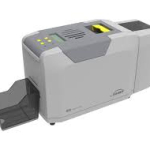
Businesses, educational institutions, banks, hospitals, and membership organizations often need durable plastic cards for identification, access management, and daily operations. A PVC card printer provides a convenient way to produce professional-quality cards with customized designs, photographs, names, identification numbers, and other essential information. When researching the PVC card printer price, it is important to understand the different printer types, printing technologies, and features that influence the overall value of the equipment.
PVC card printers are designed to print on plastic cards made from polyvinyl chloride, commonly known as PVC. These cards are widely used because they are lightweight, durable, and suitable for regular handling. Compared with ordinary paper cards, PVC cards generally provide a more professional appearance and can withstand everyday use more effectively.
Choosing the right printer requires more than comparing product specifications. Businesses should consider their printing requirements, expected workload, card design, security needs, and available connectivity options. Understanding these factors helps buyers select equipment that supports their operations and delivers consistent printing results.
What Is a PVC Card Printer and How Does It Work?
A PVC card printer is a specialized device that prints text, images, logos, barcodes, and other information directly onto compatible plastic cards. It is designed for applications where businesses need professional identification cards or customized plastic cards rather than ordinary paper documents.
Most PVC card printers use either direct-to-card printing or retransfer printing technology. Direct-to-card printers transfer ink or color panels from a ribbon onto the card surface. This method is commonly used for employee identification cards, student cards, membership cards, and other everyday applications.
Retransfer printers use a different process in which the image is first printed onto a special film and then transferred onto the card. This approach can provide edge-to-edge printing and may be suitable for cards with more demanding visual requirements.
The appropriate technology depends on the intended application. Organizations producing standard identification cards may find direct-to-card printing suitable, while businesses requiring more detailed graphics or specific card surfaces may consider other printing methods.
Factors That Influence PVC Card Printer Price
Several factors affect the cost and overall value of a PVC card printer. One of the most important is the printing technology. Different technologies offer different capabilities, image quality, and suitability for particular card applications.
Printing speed is another consideration. Organizations that produce cards occasionally may not require the same performance as institutions that issue large numbers of employee or student cards. A printer designed for frequent use may offer features that help manage larger workloads more efficiently.
Print resolution can also influence the suitability of a device. Higher-resolution printing may be important when cards contain detailed logos, small text, fine lines, or complex graphics. However, the required quality depends on the design and intended use of the cards.
Other considerations include single-sided or dual-sided printing, encoding capabilities, connectivity, software compatibility, and available security features. Buyers should evaluate these characteristics together rather than focusing on a single specification when assessing PVC Card Printer Price.
Single-Sided and Dual-Sided PVC Card Printers
Single-sided PVC card printers print information on one side of a card. They are commonly used for basic identification cards, visitor cards, student cards, and membership cards that require information on only one surface.
These printers can be suitable for organizations with straightforward printing needs. Their operating process is generally simple, making them practical for offices and institutions that produce standard card layouts.
Dual-sided PVC card printers can print on both sides of a card, either automatically or through the supported printing workflow. This capability is useful when an organization needs to include a photograph and personal details on the front while placing policies, contact information, barcodes, or other details on the reverse.
When choosing between these options, businesses should consider how much information each card needs to contain. Selecting a printer that matches the intended card design can help avoid unnecessary manual work and improve overall efficiency.
Direct-to-Card and Retransfer Printing Technology
Direct-to-card printing is widely used for producing everyday plastic identification cards. The printer transfers the design directly onto the card surface using a compatible printing ribbon. This technology can be suitable for organizations that need straightforward card production with consistent results.
Retransfer printing offers a different approach. The printer produces an image on a transfer film, which is then bonded to the card. This can help achieve edge-to-edge coverage and accommodate certain card surfaces that may be less suitable for conventional direct-to-card printing.
Retransfer technology may be useful for organizations that require detailed visual designs, more comprehensive surface coverage, or specialized card applications. However, the best choice depends on the card material, image requirements, and intended usage.
Understanding these differences is important when evaluating PVC Card Printer Price because the printing method affects the device's capabilities and the supplies required to operate it. Buyers should also check compatibility with the specific card type they intend to use.
Essential Features to Consider Before Buying a PVC Card Printer
A suitable PVC card printer should match the organization's everyday requirements. One important feature is print quality, particularly when cards contain photographs, logos, small text, or detailed designs. Reviewing sample prints can help buyers understand whether a printer meets their expectations.
Connectivity is another practical consideration. Depending on the model, printers may support USB, Ethernet, or other connection methods. The appropriate option depends on whether the device will be used by one employee, a shared office team, or a larger organization.
Card input and output capacity can also affect productivity. Organizations that print cards frequently may benefit from a printer that handles multiple blank cards and completed cards efficiently. For smaller operations, a simpler configuration may be sufficient.
Software compatibility deserves attention as well. The printer should work with the organization's card design software and operating environment. Features such as magnetic stripe encoding, smart card encoding, and contactless card support may be important for specific identification or access management applications.
Evaluating these features before making a decision helps ensure that the selected printer supports both current operations and future requirements.
PVC Card Printers for Offices and Corporate Organizations
Corporate offices use PVC cards for employee identification, visitor management, departmental access, and workplace security. These cards can display employee photographs, names, job titles, company logos, and identification numbers in a consistent format.
Having an in-house PVC card printer allows organizations to create new cards when employees join, replace damaged cards, or update identification details. It can also make the process of issuing temporary visitor cards more convenient when supported by the organization's procedures.
For offices with multiple departments, a standardized card design can improve professional presentation and make identification easier. A suitable printer can support consistent printing while helping administrative teams manage card production.
Businesses should assess how often employee details change and how many cards they expect to produce. These requirements help determine the appropriate printer speed, printing technology, and card management workflow.
PVC Card Printers for Schools, Colleges, and Universities
Educational institutions use PVC cards for student identification, staff identification, library access, attendance systems, and other administrative purposes. Durable plastic cards are suitable for students who carry their identification throughout the academic year.
A PVC card printer can help schools and colleges produce cards featuring student photographs, names, registration numbers, class details, and institutional branding. Some institutions may also require cards that support compatible access control or attendance systems.
The printer's capabilities should match the institution's administrative needs. A school producing standard student cards may require a different setup from a large university that prints cards for multiple departments and uses electronic access technologies.
Card design software and data management procedures are also important. Institutions should handle student information responsibly and ensure that access to personal records is limited to authorized staff members.
ID Card Design Software and Printing Supplies
A PVC card printer works best when paired with suitable design software and compatible consumables. Card design applications allow users to arrange photographs, logos, names, barcodes, and other information into a consistent layout.
Many organizations use templates to maintain a standard design across employee, student, and visitor cards. Templates can also reduce repetitive work when issuing large numbers of cards with similar layouts.
Printing supplies include compatible PVC cards, color ribbons, monochrome ribbons, and other materials required by the printer's technology. Some models also require specialized transfer film or additional consumables.
Buyers should verify that the printer supports the intended card thickness, material, and supply type. Using incompatible materials can lead to poor print quality, feeding problems, or unnecessary equipment wear.
Understanding these ongoing requirements helps organizations assess the practical suitability of a printer rather than focusing exclusively on its initial specifications.
Maintenance Tips for Long-Lasting Printer Performance
Regular maintenance is important for maintaining print quality and reducing interruptions. Dust, card debris, and residue can affect printing performance if the device is not cleaned according to the manufacturer's recommendations.
Users should follow the printer's cleaning instructions and use compatible cleaning materials. Printheads, rollers, and other components should be handled carefully because improper cleaning can damage sensitive parts.
Storing blank cards and ribbons correctly can also help preserve their quality. Cards should be kept in a clean, dry environment, while ribbons and other supplies should be stored according to the manufacturer's guidance.
It is also useful to keep printer software and drivers compatible with the operating system. Following recommended maintenance schedules and addressing warning messages promptly can help organizations maintain reliable performance.
Proper handling, routine cleaning, and suitable supplies contribute to consistent results and help extend the useful life of the equipment.
Why Choose Timeandxcess for PVC Card Printer Solutions?
Timeandxcess helps businesses and institutions explore PVC card printing solutions according to their identification and card production requirements. For organizations researching PVC Card Printer Price, understanding the available features and practical applications is an important step toward selecting appropriate equipment.
Different organizations have different needs. A small office may require a simple printer for employee identification, while an educational institution may need to produce student cards regularly. Other businesses may require dual-sided printing, detailed graphics, or encoding capabilities for compatible systems.
Timeandxcess can help customers consider relevant printer features, printing technologies, and supply requirements when evaluating available solutions. Understanding the intended application makes it easier to identify equipment that fits the organization's workflow.
A suitable card printing setup should also consider ease of use, software compatibility, maintenance, and the availability of compatible consumables. Taking these factors into account can help businesses establish a practical and reliable card production process.
Conclusion: Find the Right PVC Card Printer for Your Requirements
Choosing a PVC card printer involves understanding printing technology, card design requirements, expected workload, and the features needed for everyday operations. Single-sided printers may suit basic identification tasks, while dual-sided and retransfer models can support more specialized requirements.
When researching PVC Card Printer Price, buyers should look beyond a single specification and evaluate print quality, production speed, connectivity, encoding capabilities, software compatibility, and ongoing supply requirements. These factors help determine whether a printer is suitable for a particular workplace or institution.
Timeandxcess provides a starting point for exploring PVC card printing solutions for offices, educational institutions, and other organizations. By selecting equipment according to actual needs and maintaining it properly, businesses can produce professional identification cards and establish a more efficient card printing workflow.