

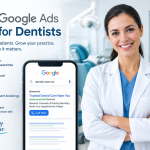
Attracting new patients is essential for a growing dental practice, but reaching the right people online can be challenging. Google Ads for dentists provides an opportunity to appear in search results when potential patients look for treatments, nearby clinics, or urgent dental care. With relevant keywords, clear advertisements, and well-designed landing pages, dental practices can connect with people who are actively searching for their services. Dentist Spark recognizes that successful campaigns should focus not just on clicks, but on meaningful patient inquiries and a better booking experience.
Paid search can support practices of different sizes, from independent clinics to multi-location dental groups. However, results depend on how campaigns are planned, managed, and measured. Understanding the fundamentals helps practice owners make informed decisions about their advertising budgets.
Understand How Google Ads Works for Dental Practices
Google Ads allows dental practices to display sponsored advertisements when users search for relevant terms. For example, someone searching for “emergency dentist in Chicago” may see an advertisement from a clinic serving that area.
Depending on the campaign settings and advertising format, businesses can pay for clicks or use other bidding strategies based on their objectives. The goal is to reach relevant searchers and encourage them to take an action, such as calling the clinic or requesting an appointment.
Before launching a campaign, decide which services you want to promote. A general dentistry campaign may focus on checkups, cleanings, and family dental care, while a separate campaign could target dental implants or cosmetic treatments.
Keeping campaigns organized by service makes it easier to write relevant advertisements, select appropriate keywords, and understand which areas deserve further investment.
Identify the Right Dental Keywords
Keyword selection plays an important role in campaign performance. Broad keywords may attract a large audience, but not every searcher will be looking for a service your practice provides.
Start with specific terms that reflect patient needs, such as:
-
Dentist near me
-
Emergency dentist in [city]
-
Teeth whitening appointment
-
Dental implant consultation
-
Family dentist accepting new patients
-
Children's dentist in [location]
Consider the difference between someone searching for general information about tooth pain and someone looking to book an emergency appointment. Their intentions are different, so they may need different advertisements and landing pages.
Use the search terms report to understand which queries trigger your ads. Add negative keywords when searches are unrelated to your services, such as dental job vacancies, professional courses, or other irrelevant topics. Review this information regularly rather than assuming your original keyword list will remain effective indefinitely.
Create Advertisements That Build Trust
Your advertisement is often one of the first impressions a potential patient has of your practice. It should explain what you offer, communicate relevant benefits, and provide a clear next step.
For example, a family dental clinic might use a headline such as “Family Dentist in [City]” and describe its general dental services. A cosmetic dentistry campaign could focus on consultations and explain how patients can learn about available treatment options.
Strong advertisements usually include:
-
A headline related to the patient's search
-
The dental service or treatment being promoted
-
The clinic's location, when relevant
-
A genuine benefit, such as convenient appointment requests
-
A clear call to action, such as “Book a Consultation”
-
Accurate contact details and relevant ad assets
Avoid exaggerated promises or claims that guarantee treatment outcomes. Dental care is personal, and results can vary according to each patient's circumstances. Honest messaging helps set realistic expectations and supports patient trust.
Review your advertisements on mobile devices as well as desktop screens. Since people may search for nearby clinics while away from home, clear wording and accessible contact options are especially useful.
Why Ads for Dentists Need Strong Landing Pages
Effective ads for dentists should lead visitors to a page that matches their search instead of sending everyone to the same generic homepage. When a person clicks an advertisement for dental implants, they should find relevant implant information, not a page that requires them to search through every service the clinic offers.
A focused landing page should answer the visitor's main questions. Explain the treatment, outline what happens during a consultation, provide the clinic's contact information, and make the next step easy to understand.
For better results, make sure your landing page includes:
-
A clear heading that matches the advertisement
-
Helpful and accurate treatment information
-
A visible phone number and appointment request option
-
A simple form that asks only for necessary information
-
Mobile-friendly design and readable text
-
Relevant information about fees or financing, when available
-
Genuine reviews or testimonials used in accordance with applicable rules
Page speed also matters. If a page takes too long to load or the booking form does not work properly on a phone, potential patients may leave before contacting the clinic.
Test the entire journey yourself. Click the advertisement preview, open the landing page, find the contact details, and submit a test appointment request. This helps uncover practical problems that campaign reports alone may not reveal.
Set a Realistic Budget and Target the Right Area
Dental practices do not need to advertise everywhere to attract useful inquiries. Start by identifying the geographic areas from which patients can reasonably travel to your clinic.
A practice in a residential neighborhood may focus on nearby communities, while a clinic offering specialized treatments may attract patients from a wider region. Your targeting should reflect the actual service area rather than an arbitrary radius.
Set a budget that the practice can sustain while gathering enough data to evaluate performance. Costs vary by location, treatment category, competition, and bidding strategy, so there is no single budget that works for every dental clinic.
Avoid making major decisions based on a few clicks. Give campaigns enough time and relevant data to reveal patterns, while monitoring spending and excluding clearly irrelevant searches.
6. Measure Results Beyond Clicks
A campaign can generate website traffic without producing many useful patient inquiries. For this reason, dental practices should measure actions that contribute to business goals.
Useful metrics include:
-
Click-through rate: The percentage of ad impressions that result in clicks.
-
Cost per click: The average amount paid for each click.
-
Conversion rate: The percentage of visitors who complete a tracked action.
-
Cost per lead: The advertising cost associated with generating an inquiry.
-
Lead quality: Whether inquiries relate to the services and locations being promoted.
-
Appointment outcomes: Whether inquiries turn into scheduled visits and, where measurable, completed appointments.
Set up conversion tracking for relevant actions, such as calls and appointment form submissions. Check that tracking works correctly before using the data to make budget decisions.
For example, a campaign may generate many calls but few suitable appointments. The issue could involve search relevance, the services advertised, appointment availability, or the way inquiries are handled. Reviewing the complete patient journey helps identify the cause more effectively than simply increasing spending.
How Advertising for Dentists Fits Into a Wider Marketing Strategy
Successful advertising for dentists should complement the other ways patients discover and evaluate a practice. Paid search can provide visibility for relevant searches, while search engine optimization supports organic discovery over time.
A helpful website gives prospective patients clear information about services, location, office hours, and appointment options. An accurate Google Business Profile can support local discovery, while consistent review management helps practices understand and respond to patient feedback.
Social media can introduce the team, explain common dental procedures, and share useful oral health information. These channels have different purposes, so they should work together rather than compete for attention.
For example, a dental practice might use paid search to promote emergency appointments, SEO to improve the visibility of its service pages, and social media to share educational content. Consistent information across these channels makes it easier for potential patients to understand the practice.
Review performance across the marketing strategy, but evaluate each channel according to its role. Not every patient will follow the same path from discovering a clinic to scheduling an appointment.
Choose the Right Campaign Management Approach
Managing paid search involves more than creating advertisements once. Campaigns require regular keyword reviews, budget checks, landing page improvements, and accurate performance reporting.
A suitable marketing partner should explain how campaigns are structured, which conversions are tracked, how spending is allocated, and what the results mean for your practice. Ask for transparent reporting and ensure that your business retains appropriate access to its advertising account and data.
Be cautious of providers who promise guaranteed rankings, a fixed number of patients, or immediate results. Advertising performance depends on factors such as local competition, search demand, service pricing, website quality, and the clinic's ability to respond to inquiries.
Whether you manage campaigns internally or work with a specialist, establish clear goals and review progress consistently. Make changes based on evidence rather than assumptions.
Conclusion
Google Ads for dentists can help practices reach relevant local searchers, promote specific treatments, and create opportunities for new patient appointments. The strongest campaigns combine focused keywords, trustworthy advertisements, useful landing pages, realistic budgets, and reliable conversion tracking.
Start with a clear objective, monitor the quality of incoming inquiries, and improve the parts of the booking journey that create friction. Expand campaigns when the results justify further investment, not simply because more clicks are available.
With a thoughtful strategy and consistent optimization, Dentist Spark can help dental practices approach online advertising with greater clarity and build a stronger foundation for sustainable growth.