


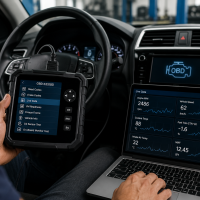
Your car's oil pressure warning light is one of the most important dashboard alerts because it can indicate that the engine is not receiving adequate lubrication. Ignoring this warning may lead to serious engine damage, expensive repairs, or complete engine failure. If the warning light appears, finding a reliable car workshop near me can help you identify the cause and determine the appropriate repair.
Drivers in Dubai often depend on their vehicles for daily commuting and longer journeys, making engine maintenance essential for reliable performance. If you are looking for information about a car repair workshop in Dubai, understanding oil pressure problems can help you recognise warning signs and know when professional assistance is necessary.
What Does the Engine Oil Pressure Warning Light Mean?
Engine oil lubricates moving components, reduces friction, helps manage heat, and carries contaminants towards the filtration system. The engine's lubrication system circulates oil under pressure to deliver it to the components that need it.
When the oil pressure warning light illuminates, it may mean the pressure has fallen below the level required for safe operation. The problem could involve insufficient oil, a leak, a failing oil pump, a blocked oil passage, or a faulty pressure sensor.
The warning light does not necessarily mean the engine needs more oil. It signals a condition that requires prompt attention.
6 Common Reasons Your Oil Pressure Warning Light Is On
1. Low Engine Oil Level
A low oil level is one possible cause of low oil pressure. Oil can fall below the recommended level because of leaks, oil consumption, or delayed maintenance.
If the warning light appears, stop somewhere safe and switch off the engine. Once the vehicle is parked on level ground and the engine has cooled sufficiently, check the oil level according to the owner's manual.
If the level is low, use only the oil specification approved for your vehicle. However, if the oil pressure warning remains illuminated, do not restart or continue driving simply because you have added oil.
2. Engine Oil Leaks
Oil leaks can gradually reduce the amount of lubricant available to the engine. Common leak locations may include seals, gaskets, the oil filter, or the oil sump.
Possible warning signs include oily marks beneath the vehicle, visible residue around engine components, or a persistent burning-oil smell.
Not every leak is immediately visible, and some engines consume oil without leaving a puddle. If you suspect an oil leak, arrange an inspection to identify the source and prevent further oil loss.
3. Incorrect or Degraded Engine Oil
Using oil that does not meet the manufacturer's specifications can affect lubrication performance. Oil can also deteriorate over time because of heat, contamination, and normal engine operation.
Oil that is unsuitable for the engine or excessively degraded may contribute to lubrication problems. The correct viscosity and specification depend on the vehicle's engine design and manufacturer recommendations.
Follow the maintenance schedule and avoid selecting engine oil based only on its price or viscosity label.
4. Faulty Oil Pump
The oil pump circulates engine oil through the lubrication system. If the pump becomes worn or develops a mechanical fault, it may fail to maintain the required pressure.
A faulty pump can cause serious lubrication problems, but the warning light alone cannot confirm that the pump is defective.
A technician may need to measure actual oil pressure and inspect the lubrication system before recommending a pump replacement.
5. Blocked Oil Filter or Oil Passages
The oil filter removes contaminants from circulating engine oil. If the filter becomes restricted, or if sludge and deposits obstruct oil passages, the lubrication system may not operate as intended.
The effects depend on the engine design and the condition of the filter or passages. Regular oil and filter servicing helps reduce the risk of excessive deposits developing.
If the warning appears after an oil change, have the oil level, filter installation, and specified parts checked promptly.
6. Faulty Oil Pressure Sensor
Sometimes, the warning light activates because the oil pressure sensor, wiring, or related electrical circuit is faulty.
However, it is dangerous to assume that the warning is only an electrical problem. Actual low oil pressure must be ruled out before concluding that the sensor is responsible.
A professional diagnosis can compare the dashboard warning with measured oil pressure and determine whether the issue is mechanical or electrical.
Why Is Engine Oil Maintenance Important in Dubai?
Hot ambient temperatures and heavy traffic can make routine vehicle maintenance particularly important. The effect on engine oil depends on the engine, driving conditions, oil specification, and maintenance history.
Proper lubrication helps protect engine components from excessive friction and wear. Delaying oil changes or ignoring oil leaks can increase the risk of lubrication problems.
Drivers should:
-
Follow the manufacturer's oil and filter replacement schedule.
-
Use the specified engine oil grade and approval.
-
Check the oil level at the recommended intervals.
-
Investigate unusual oil consumption or visible leaks.
-
Respond immediately to an oil pressure warning.
-
Keep records of servicing and repairs.
Routine maintenance can help identify problems early, but it cannot prevent every mechanical failure.
What Should You Do When the Oil Pressure Light Appears?
If the oil pressure warning light comes on while driving, take it seriously.
-
Stop safely: Pull over as soon as it is safe to do so.
-
Switch off the engine: This helps reduce the risk of further damage if oil pressure is genuinely low.
-
Check the oil level: Follow the vehicle manufacturer's instructions and use the dipstick or electronic measurement system where applicable.
-
Look for obvious leaks: Check for signs of oil loss without touching hot engine components.
-
Avoid unnecessary restarting: If the warning remains or the cause is unclear, do not continue driving.
-
Arrange professional assistance: A technician can check the oil level, inspect the lubrication system, and measure oil pressure if required.
Do not keep driving to reach a workshop if the oil pressure warning stays on. Towing the vehicle may be the safer option.
How Do Mechanics Diagnose Oil Pressure Problems?
A professional diagnosis should establish whether the engine has genuinely low oil pressure or whether the warning is caused by a sensor or electrical fault.
The inspection may include:
-
Checking the engine oil level and condition.
-
Inspecting the engine for leaks.
-
Verifying the oil filter and specified oil grade.
-
Reading relevant diagnostic trouble codes.
-
Testing the oil pressure sensor and wiring.
-
Measuring actual oil pressure with suitable equipment.
-
Inspecting the oil pump and internal lubrication components if necessary.
The correct diagnostic process depends on the vehicle and the symptoms. Replacing a sensor without checking actual oil pressure could leave a serious engine problem unresolved.
For more information, explore OBD.ae's car diagnostic scanner service.
How Can You Prevent Engine Oil Pressure Problems?
Preventive maintenance can reduce the likelihood of lubrication-related problems.
-
Check oil levels according to the manufacturer's recommendations.
-
Change engine oil and filters at the specified intervals.
-
Use oil that meets the correct manufacturer approval.
-
Repair oil leaks promptly.
-
Investigate unusual engine noises or warning lights.
-
Have persistent oil consumption assessed by a qualified technician.
If your engine develops knocking or rattling noises alongside an oil pressure warning, switch it off and arrange professional assistance. Continuing to run an engine with inadequate lubrication can cause severe damage.
Frequently Asked Questions
Can I drive with the oil pressure warning light on?
No. If the oil pressure warning light remains on while the engine is running, stop safely and switch off the engine. Continued driving can cause severe engine damage if the pressure is genuinely low.
Does low engine oil always cause low oil pressure?
Not always. Low oil level can cause pressure problems, but a faulty oil pump, blocked oil passages, excessive internal wear, or a sensor fault may also be responsible.
Can I fix an oil pressure warning by adding oil?
Adding the correct oil may help if the level is low, but it does not resolve every possible cause. If the warning remains illuminated, do not continue driving; arrange a professional inspection.
How much does it cost to repair an oil pressure problem in Dubai?
The cost depends on the cause. A sensor or wiring repair may be less expensive than an oil pump replacement or internal engine repair. A proper diagnosis is necessary before a reliable estimate can be provided.
Conclusion
An engine oil pressure warning light should never be ignored. Low oil levels, leaks, lubrication system faults, and sensor problems can all trigger the warning, but only proper diagnosis can establish the cause.
If the warning appears, stop safely, switch off the engine, and arrange professional assistance rather than risking further damage. OBD.ae lists automotive workshop services in Sharjah and Ajman. Contact the team to discuss your vehicle's symptoms and confirm service availability for your location.
Protect your engine with timely maintenance and professional diagnosis. Visit OBD.ae to explore available automotive services and discuss your vehicle's repair requirements.