

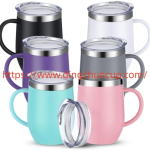

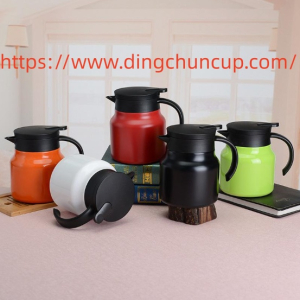
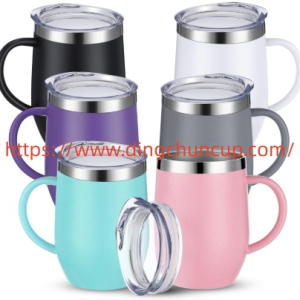
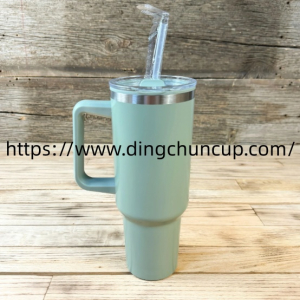
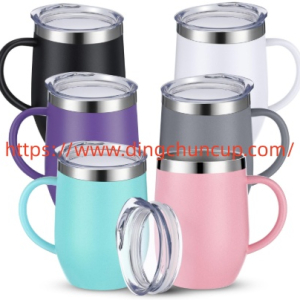
Insulated Straight Mug designs vary in capacity, materials, finishes, and lid configurations, so buyers should consider practical requirements before making a purchase. Retailers, distributors, and individual users may have different expectations depending on their daily routines and intended applications. As a drinkware manufacturer, dingchuncup recognizes the importance of clear specifications and useful product information. Reviewing portability, construction, cleaning, customization, and supplier communication can help buyers select suitable products for personal use or commercial sales.
Consider Portability and Overall Dimensions
A cylindrical body can create a clean appearance, but its dimensions determine how easily a cup fits into different environments. Buyers should check the overall height, base diameter, weight, and handle configuration before selecting a model.
For commuters, the base size may determine compatibility with a vehicle cup holder. Office users may prefer a design that fits comfortably beside a computer, while travelers may need a product that fits inside a backpack or tote bag.
These requirements can vary between customer groups. Retailers should consider how their customers expect to carry and store their drinkware rather than choosing a product based on appearance alone. Requesting a dimensional drawing or physical sample can help confirm whether the selected model fits the intended use.
Review Material and Temperature Retention
The body material affects appearance, handling, and maintenance. Stainless steel is commonly used in reusable drinkware, while lids, seals, and other components may use different materials. Buyers should request specifications for each part and confirm that the construction matches their purchasing requirements.
Temperature retention also deserves attention. Double-wall structures and vacuum-based designs have different characteristics, so purchasers should verify the actual construction of the selected model. If keeping beverages warm or cool is an important requirement, ask for relevant test information and clarify the conditions under which performance is measured.
Surface finishes can influence both appearance and handling. Polished metal, matte coatings, and colored exteriors may appeal to different customer groups. For wholesale purchasing, reviewing samples can help buyers assess workmanship and confirm that the finish is suitable for their product range.
Examine the Lid and Drinking Mechanism
The lid affects how users open, close, and carry a drinking vessel. Buyers should check whether the closure operates smoothly, whether the components fit securely, and whether the drinking opening suits the intended beverage.
Spill protection requires careful evaluation. A splash-resistant closure does not necessarily prevent leakage when the cup is tilted or placed horizontally. If customers plan to carry the product while traveling, ask the manufacturer about the recommended carrying position and any relevant testing.
Ease of use matters as well. Some customers prefer a simple removable lid, while others may value a sliding opening or another convenient mechanism. Retailers should identify which features match their target audience.
Buyers may also ask about replacement lids and compatible sealing components. This information can help businesses respond to customer enquiries and understand the options available for ongoing product support.
Check Cleaning and Maintenance Requirements
Reusable drinkware needs regular cleaning, particularly around the lid, seals, and narrow openings. Areas that are difficult to access may require additional attention during washing.
Before ordering, confirm which parts can be removed and how each component should be cleaned. Some materials may require hand washing, while others may be suitable for dishwasher use according to the manufacturer's instructions. Buyers should verify the recommended care method instead of assuming all components have identical requirements.
For retail orders, care instructions can be included in the packaging where appropriate. Clear guidance helps customers understand washing, drying, and storage procedures. It also gives sales teams useful information when answering questions about routine maintenance.
Explore Customization and Wholesale Options
Businesses often need drinkware that matches their brand identity or product range. Depending on the available model, customization may include exterior colors, surface finishes, logo placement, and packaging design.
When contacting dingchuncup, buyers should prepare their target market, estimated order quantity, preferred specifications, and branding requirements. This information helps clarify which options are available and which details need confirmation before production begins.
Purchasers should also discuss minimum order quantities, sample availability, artwork approval, production schedules, and shipping arrangements. For sales in regulated markets, identify the applicable requirements and request relevant documentation before confirming an order.
Planning these details early can help purchasing teams coordinate product development, stock preparation, and sales schedules.
Evaluate Supplier Communication
Product specifications are only one part of a purchasing decision. Buyers should also consider how clearly a manufacturer answers questions, explains available options, and confirms order details.
Prepare a checklist covering materials, dimensions, surface finishes, closure design, packaging, inspection arrangements, and delivery expectations. Written confirmation helps both parties maintain consistent requirements and reduces the possibility of misunderstandings.
Retailers may also want to clarify carton dimensions, labeling information, and packaging quantities. These details can influence warehouse storage, transportation, and online product listings.
When buyers explain their intended applications and purchasing needs clearly, manufacturers can provide more relevant information about available products. This creates a practical basis for discussing specifications and establishing expectations before an order moves into production.Whether you are sourcing drinkware for retail, developing branded merchandise, or comparing products for everyday use, begin by identifying your required dimensions, construction, maintenance needs, and customization preferences. Reviewing these details helps you compare options according to practical requirements rather than appearance alone. Businesses interested in product specifications, branding possibilities, and wholesale arrangements can visit https://www.dingchuncup.com/product/ to review available products and contact dingchuncup about their purchasing needs.