

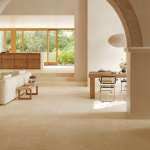




Ivory limestone is a popular natural stone choice for homeowners, architects, and designers who want to create elegant, warm, and timeless spaces. Its soft cream shades, subtle natural patterns, and versatile finishes make it suitable for flooring, wall cladding, patios, and other architectural applications. Whether used in modern interiors or traditional designs, ivory limestone offers a refined appearance that complements a wide range of materials and color palettes.
Understanding the features, available finishes, and practical applications of ivory limestone can help you choose the right stone for your residential or commercial project.
What Is Ivory Limestone?
Ivory limestone is a natural sedimentary stone known for its light ivory, cream, beige, and pale golden tones. It forms over geological time through the accumulation and compression of mineral-rich sediments, often containing calcium carbonate.
Its appearance can vary depending on the quarry, mineral composition, and natural formation process. Some varieties feature a relatively uniform surface, while others display delicate veining, fossil-like markings, or subtle tonal variations.
These natural characteristics make ivory limestone a versatile material for projects that require understated elegance rather than bold colors or dramatic patterns.
Key Features of Ivory Limestone
1. Soft and Neutral Color Palette
One of the main attractions of ivory limestone is its warm, neutral appearance. Its cream and ivory shades work well with white, gray, brown, and earthy color schemes.
The stone can help create a bright and welcoming atmosphere, particularly in spaces where natural light and visual simplicity are important.
2. Natural Texture and Appearance
Unlike manufactured surfaces with repeated patterns, ivory limestone has natural variations that give each piece its own character. Depending on the variety and finish, the surface may appear smooth, lightly textured, or more rustic.
These variations can add depth and visual interest to floors, walls, and outdoor features.
3. Versatile Design Applications
Ivory limestone can complement contemporary, Mediterranean, classic, and minimalist architectural styles. It can be used across different areas of a property, helping designers maintain a consistent color palette between interior and exterior spaces.
However, the suitability of a particular variety depends on its physical properties, finish, installation method, and intended environment.
4. Natural Stone Durability
Limestone is widely used in architecture, but its performance depends on its density, porosity, and composition. Some varieties may be more susceptible to scratching, staining, and weathering than harder stones such as granite.
Proper sealing, suitable installation materials, and regular maintenance can help preserve its appearance.
Popular Ivory Limestone Finishes
The finish affects how ivory limestone looks, feels, and performs. Choosing the right option is important for both aesthetics and practical use.
Honed Finish
A honed finish creates a smooth, matte surface without the high shine of polished stone. It is a popular choice for interior flooring, wall cladding, bathrooms, and understated contemporary spaces.
Its subtle appearance allows the natural color of the limestone to remain the main design feature.
Polished Finish
A polished finish gives the stone a smoother, glossier appearance that can emphasize its colors and natural markings. It may be suitable for decorative walls, selected interior features, and spaces where a more formal look is desired.
Because polished stone can become slippery when wet, its suitability for flooring should be assessed carefully.
Brushed Finish
A brushed finish creates a lightly textured surface by treating the stone mechanically. It can highlight the stone's natural character while offering a less formal appearance.
This finish may work well in rustic interiors, covered outdoor areas, and selected flooring applications, depending on the stone's specifications.
Tumbled Finish
Tumbled limestone typically has softened edges and a weathered appearance. It is often used in traditional, Mediterranean-inspired, and rustic designs.
The finish can add character to patios, garden pathways, and decorative flooring, provided the stone is suitable for the intended outdoor conditions.
Sandblasted or Textured Finish
Textured finishes can create a more tactile surface and may be considered for certain exterior or outdoor applications. The actual slip resistance depends on the specific finish and installation conditions, so it should be verified rather than assumed.
Applications of Ivory Limestone
1. Interior Flooring
Ivory limestone flooring can make living rooms, hallways, bedrooms, and other interior spaces feel open and inviting. Its neutral tones pair well with wooden furniture, soft furnishings, and contemporary decor.
Before installation, consider foot traffic, maintenance requirements, and the possibility of spills or staining. A suitable sealer may help reduce staining, but it does not make limestone completely stain-proof.
2. Wall Cladding and Feature Walls
Ivory limestone can create elegant feature walls in living rooms, hotel lobbies, reception areas, and commercial interiors. Its natural texture provides visual interest without overwhelming the surrounding design.
For exterior cladding, the stone's weather resistance, fixing system, thickness, and structural requirements should be evaluated by qualified professionals.
3. Bathrooms and Wet Areas
The light color of ivory limestone can complement bathroom walls, vanity surrounds, and selected flooring designs. However, limestone is sensitive to acidic substances, including many common bathroom cleaners.
Choose an appropriate finish, use stone-safe cleaning products, and confirm that the selected material meets the project's slip-resistance and moisture-management requirements.
4. Patios and Outdoor Living Spaces
Ivory limestone may be considered for patios, terraces, garden seating areas, and outdoor entertainment spaces. Its warm color can complement greenery, timber, and other natural materials.
For outdoor installation, check the stone's water absorption, weathering performance, and suitability for local climate conditions. In areas exposed to rain or standing water, drainage and slip resistance are particularly important.
5. Staircases and Decorative Features
Ivory limestone can also be used for stair treads, risers, window surrounds, fireplace surrounds, and selected architectural details. Consistent stone selection can help create a coordinated appearance throughout a property.
For stairs and high-traffic areas, ensure that the material, edge profile, thickness, and surface finish meet the relevant safety and building requirements.
How to Choose the Right Ivory Limestone
Before selecting ivory limestone for a project, consider the following factors:
-
Color consistency: Review samples and, where possible, photographs or samples from the actual batch to understand natural variation.
-
Finish: Choose a finish that suits the design and intended use of the space.
-
Physical properties: Ask about porosity, water absorption, strength, and suitability for the installation environment.
-
Maintenance: Understand the recommended sealing schedule and appropriate cleaning products.
-
Installation requirements: Confirm the correct substrate preparation, adhesive or fixing system, grout, and joint details.
-
Quantity and sizing: Check available slab or tile dimensions, thickness, edge treatment, and supply consistency.
Ordering a sample before finalizing a large project can help you assess the stone under the property's actual lighting conditions.
Sourcing Ivory Limestone with Shanthari
When sourcing ivory limestone, it is important to work with a supplier who can provide clear information about stone selection, available finishes, dimensions, and quality expectations. These details help architects, contractors, and property owners make informed decisions before installation begins.
Shanthari can be considered as a starting point when exploring natural stone options for architectural and design projects. Before confirming an order, discuss the intended application, required finish, quantity, and project conditions to establish whether the available material meets your specifications.
Requesting samples and confirming technical details in advance can also help reduce inconsistencies during installation.
Conclusion
Ivory limestone offers a warm, neutral appearance that suits a variety of interior and exterior design styles. From flooring and feature walls to patios and architectural details, it can bring natural character and visual consistency to different spaces.
The best results depend on choosing the right variety, finish, and installation method for the intended application. By evaluating durability, maintenance needs, and technical specifications before purchasing, you can select ivory limestone that supports both the design goals and practical requirements of your project.