



India lead the five-match T20I series in New Zealand 2-0, and three games remain. The 3rd T20I is in Wellington on Tuesday, October 27; the 4th in Auckland on Friday, October 30; and the 5th in Hamilton on Sunday, November 1. All three start at 12:30 PM IST, with the toss at 12:00 PM IST.
Captain and vice-captain choices matter most in fantasy. In most free formats, the captain scores double points and the vice-captain scores one and a half times. This guide is for free, friends-and-family leagues played for fun and bragging rights only. Keep it to free leagues, and never pay an entry fee to an unofficial organiser.
What Christchurch Taught Us
In the 1st T20I, New Zealand made 225 for 4. Glenn Phillips hit an unbeaten 82 off 40, and Finn Allen made 45 off 24. India chased 226 down, with Sanju Samson scoring 67 off 33, Shreyas Iyer 42 off 28, and Naman Dhir an unbeaten 42 off 15.
In the 2nd T20I on October 24, New Zealand made 180 for 5. Phillips scored 70 off 43, and Bevon Jacobs 58 off 46. India slipped to 70 for 5, then won by four wickets with one ball left. Tilak Varma, player of the match, finished unbeaten on 51 off 26; Dhir made 31 off 17; and Nitish Kumar Reddy finished unbeaten on 26 off 13. Mitchell Santner took 4 for 21, and Arshdeep Singh took 2 for 33.
Phillips is the form batter of the series, and India's middle order rescued the second game when the top order failed.
The First Rule: Pick Players Who Can Score in Two Ways
Pick a player with more than one route to points. All-rounders fit this best: a player who bats and bowls four overs can score runs, take wickets, and add fielding points. Santner is the clear example for New Zealand, and Axar Patel offers a similar profile for India. Top-order batters are next best, because they face the most balls. Pure bowlers are riskier as captain, though Arshdeep is an exception, since he bowls at the start and at the death.
Safe Captain Picks
Glenn Phillips, New Zealand
Phillips is the most consistent fantasy asset here, with 82 not out and 70 so far. He scores quickly and fields in key positions. He is the one name to anchor your team across all three games, especially when New Zealand bat first.
Sanju Samson, India
Samson was the player of the match in the 1st T20I for his 67 off 33 balls. As opener and wicketkeeper, he can score with the bat and add keeping points. He is strong when India chases, but his high-risk style means he can fail early. Pair him with a steadier vice-captain.
Abhishek Sharma, India
Abhishek did not make a big score in Christchurch, but do not drop him for that. He opens, ranks among the top T20I batters in the world, and can bowl part-time spin. Across three games, he is likely to produce at least one match-winning innings.
Tilak Varma, India
Tilak was India's calm head in the 2nd T20I. Promoted to No. 3, he finished unbeaten on 51 off 26 and saw a tricky chase home. He is a smart, less obvious captain choice, without giving up top-order security.
Vice-Captain Picks That Can Win a League
Vice-captain is where you can take a calculated chance. The multiplier is smaller, so a differential pick hurts less if it fails and helps a lot if it comes off.
Mitchell Santner leads this list. His 4 for 21 was the best bowling performance of the series so far, and as New Zealand captain, he will bowl his four overs in almost every game. Naman Dhir is next: 42 not out and 31 so far, both at a very high strike rate, finishing games under pressure twice. Bevon Jacobs is the New Zealand differential; after his 58 off 46, he showed he can hold an innings together. Finn Allen is the high-risk version of the same idea, while Shreyas Iyer is the steady option after his 42 off 28 in the first game.
Match-by-Match Thinking
Wellington, on October 27, is a must-win for New Zealand. At 2-0 down, the hosts must win to stay alive, so expect their best XI and full intensity. That makes Phillips and Santner strong picks again. Check the toss and team sheets at 12:00 PM IST first. Auckland, on October 30, could look very different if India win in Wellington and take a 3-0 lead. A team with the series won often rests players or tests bench options. If India rotates, watch Vaibhav Sooryavanshi, who played at No. 3 in the 2nd T20I. Eden Park is also known for short boundaries, which tends to favour batters. Hamilton, on November 1, is the final game. By then, form matters more than reputation. Trust a player who has scored in two of the last three games, and do not captain one who has failed three times in a row on hope alone.
The Fitness Check You Cannot Skip
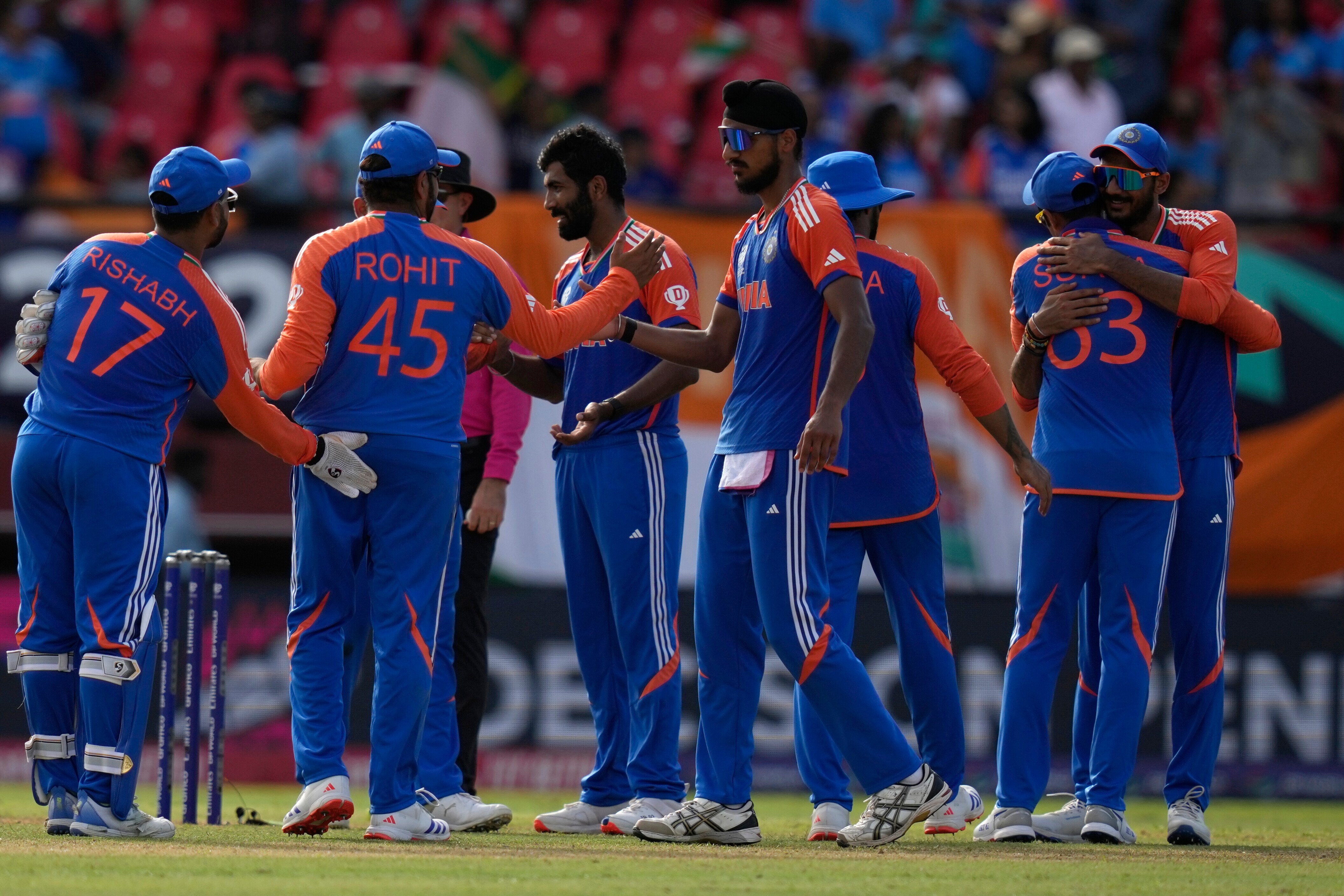
Ishan Kishan is the biggest fitness watch in this series. He was ruled out of the 2nd T20I with a low-grade right adductor strain picked up in the first game, and Kumar Kushagra was added as cover. His return date for Wellington was not confirmed at the time of writing. Never captain or vice-captain a player whose fitness is in doubt, no matter how good his season record is. Until Kishan is named in a confirmed playing XI, leave him out, or pick him only as a regular player.
Five Mistakes to Avoid
Do not captain a player just because he scored big last time. One inning is a clue, not a guarantee. Do not pick too many players from one team: even at 2-0, New Zealand have produced the best batter and the best bowler so far. Do not ignore death bowlers, do not set your team early and forget it, and do not chase a differential captain in every game. One bold vice-captain pick per match is enough.
A Balanced Core to Build Around
Build around this core, then adjust for the toss and the XI: Samson or Abhishek as captain, Phillips or Santner as vice-captain, Tilak and Dhir in the batting group, and Arshdeep as your lead bowler. Add one New Zealand opener, Allen or Jacobs, and one Indian all-rounder, Axar or Nitish Kumar Reddy. Use your remaining spots for that day's venue and form calls, rather than for a second gamble on captaincy. For fans who follow the series through score apps and fan pages, Cribet99 is often mentioned as one companion source alongside official match coverage, but your decisions should always come from the confirmed XI and recent form.
Frequently Asked Questions
Who is the safest captain for the remaining T20Is?
Glenn Phillips, on current form, followed by Sanju Samson and Abhishek Sharma. All three bat high enough to face a large share of balls.
Who is a good differential vice-captain?
Mitchell Santner and Naman Dhir. Santner bowls four overs and captains New Zealand, while Dhir has finished both chases so far at a very high strike rate.
Should I pick Ishan Kishan as captain in Wellington?
Not until he is named in the confirmed playing XI. He missed the 2nd T20I with a groin strain, and his return was not confirmed at the time of writing. If he returns and opens, he becomes a strong pick again.
Should my captain change for Auckland and Hamilton?
Yes, if the series situation changes. If India seals the series in Wellington, rotation becomes likely. If New Zealand win in Wellington, expect full-strength sides again. Let the series score and the toss guide each game.
What is the single most important fantasy habit in this series?
Check the playing XI at the toss. A team set a day early can include a player who never takes the field, and no captain multiplier can rescue a zero.
India lead 2-0, but the next three games still have plenty to play for. Pick a captain who bats high or does two jobs, use your vice-captain for one smart differential, and let the toss confirm your plan.