

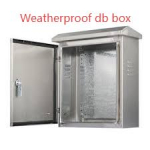

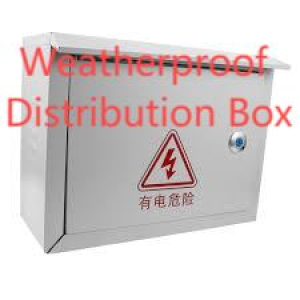
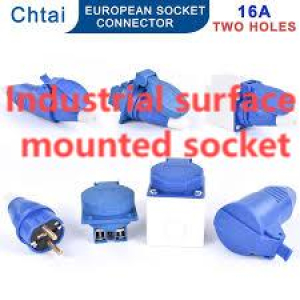
Outdoor installations demand enclosures that combine durability with thoughtful access and safety features. A well-specified Weatherproof db box placed correctly on site prevents water ingress and simplifies maintenance, while a certified Weatherproof db box also reduces the risk of corrosion, arc faults, and unexpected downtime in exposed locations. This article explains selection criteria, installation practices, and lifecycle care for robust distribution boxes used in commercial, industrial, and public settings.
Why Ingress Protection and Material Choice Matter
Choosing the right enclosure starts with understanding the exposure level. IP ratings (such as IP54, IP65, or IP66) indicate resistance to dust and water — higher numbers mean better protection against jets of water or temporary immersion. Material selection complements the IP rating: UV-stabilized thermoplastics resist sunlight-induced degradation, while stainless-steel fittings help prevent corrosion in coastal or chemical environments. Consider the combined effect of rating and material when specifying units for exterior locations because a mismatched choice can accelerate failure and raise maintenance costs.
Practical Mounting and Site Positioning
Mounting location dramatically affects long-term performance. Install on a flat, stable substrate to avoid gasket distortion and to maintain uniform sealing pressure. Avoid siting boxes directly under downspouts or where spray from sprinklers will constantly hit the enclosure. Where possible, mount outlets under modest overhangs or use protective hoods to limit direct exposure. Ensure the box is accessible for inspection and service but also positioned to minimize accidental impact from vehicles or equipment; protective bollards or recessed mounting can prevent mechanical damage in busy areas.
Wiring, Earthing, and Thermal Considerations
Internal wiring should be sized for continuous loads and terminated to the manufacturer’s recommended torque values to reduce resistive heating. Provide dedicated earth terminals and ensure bonding continuity across multiple enclosures when required by local regulations. For boxes carrying significant continuous current, allow thermal dissipation by providing clearance around the enclosure or selecting materials and internal layouts that minimize heat buildup. Use correctly sized cable glands to maintain ingress protection while preventing conductor strain and movement.
Installation Best Practices and Common Pitfalls
Use corrosion-resistant fixings appropriate to the installation environment — stainless steel in coastal areas, for instance — and avoid over-tightening screws that might crush gaskets and compromise sealing. After initial commissioning, perform a re-torque check of terminal screws following an initial thermal cycling period, as connectors can loosen under load. Confirm gland seals and conduit entries for proper compression, and always label each circuit clearly to avoid confusion during servicing. Common mistakes include poor gland selection, insufficient clearance for heat, and mounting on uneven surfaces that deform gaskets over time.
Maintenance, Inspection, and End-of-Life Planning
Routine inspection preserves function: check gaskets annually for compression set or cracking, and replace them proactively when signs of degradation appear. Look for discoloration or pitting on terminal faces, indicating corrosion or high-resistance connections. Employ thermal imaging during operation to detect hotspots that point to loose or overloaded terminals. Maintain a simple log of inspections, repairs, and parts replacements — records help forecast lifecycle costs and schedule planned replacements before failures occur. Consider end-of-life recycling or refurbishment programs when replacing units to reduce environmental footprint.
Selecting Suppliers and Specifying Requirements
When procuring enclosures, include measurable performance criteria in tender documents: IP rating, UV resistance, gasket material, mounting footprint, and terminal capacity. Request sample units for fit and function tests and insist on documented testing reports. Seek suppliers who provide clear installation manuals, spare parts availability, and responsive technical support to minimize commissioning delays. Warranties that cover material defects and documented quality-control procedures indicate a supplier’s confidence in product longevity. For reputable product lines and supplier resources, consult https://www.nante.com
Adapting Designs for Special Environments
Some projects require bespoke solutions: food processing plants may need fully washdown-capable enclosures with higher IP ratings and food-safe materials; marine or coastal sites often need additional sacrificial anodes or enhanced corrosion-resistant hardware. For high-security or public installations, consider tamper-proof fasteners and lockable covers to prevent unauthorized access. Early engagement with suppliers helps tailor standard products to unique application demands while keeping costs controlled.
A properly selected and installed weatherproof distribution box is a quiet, effective defense against moisture, contamination, and mechanical damage. By combining correct IP ratings, resilient materials, precise mounting, and proactive maintenance, teams can ensure dependable power delivery in outdoor environments while minimizing lifecycle costs and safety risks.