

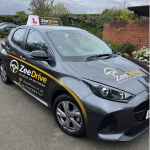





Driving is a skill that requires more than knowing how to operate a vehicle. Drivers must also understand how road surfaces, traffic, visibility, and weather can affect their safety. A sunny afternoon on a quiet road presents different challenges from a rainy morning during rush hour. Learning how to respond to these changing conditions helps drivers stay calm, make better decisions, and reduce the risk of accidents.
For beginners, preparing for different driving situations is an important part of becoming a responsible road user. With proper instruction, regular practice, and a clear understanding of road safety, drivers can develop the confidence needed to handle everyday journeys more effectively.
1. Understand the Road Before You Start Driving
Every road has its own characteristics, and understanding them can help you prepare for potential hazards. Residential streets, busy town centres, rural roads, and motorways all require different driving approaches.
Residential streets often have parked vehicles, pedestrians, cyclists, and children who may suddenly enter the road. Drivers should reduce their speed, remain alert, and be prepared to stop when necessary. In busy urban areas, traffic signals, roundabouts, roadworks, and frequent lane changes demand constant attention.
Rural roads can be more challenging because they may be narrow, poorly lit, or surrounded by hedges that restrict visibility. Sharp bends and slow-moving agricultural vehicles can also create unexpected situations. Drivers should approach these roads cautiously and avoid assuming that the road ahead is clear.
Motorways require drivers to maintain appropriate speeds, leave sufficient space between vehicles, and check mirrors carefully before changing lanes. Joining and leaving a motorway also requires planning and awareness.
Before travelling, consider your route and the type of roads you will encounter. Checking for road closures, congestion, and planned diversions can help you avoid unnecessary stress.
2. Driving Safely in Rainy Weather
Rain is one of the most common weather conditions drivers encounter in the UK. Even light rainfall can make roads slippery, particularly after a long dry period when oil and dirt have accumulated on the surface.
When rain begins, reduce your speed and increase the distance between your vehicle and the one ahead. Wet roads increase stopping distances, so following another vehicle too closely can leave you without enough time to react.
Use your windscreen wipers at an appropriate setting and switch on dipped headlights when visibility is reduced. Before driving, check that your tyres have sufficient tread and are properly inflated. Good tyre condition helps maintain grip on wet surfaces.
Avoid sudden braking, sharp steering movements, and rapid acceleration. These actions can reduce tyre grip and make the vehicle harder to control.
Standing water requires particular care. Driving quickly through deep puddles can cause aquaplaning, a situation in which tyres lose contact with the road surface because of water. If steering suddenly feels unusually light, ease off the accelerator and avoid abrupt braking or steering until control returns.
If heavy rain makes it difficult to see the road clearly, find a safe place to stop away from traffic and wait for conditions to improve.
3. Preparing for Fog and Poor Visibility
Fog can make driving difficult because it reduces the distance at which drivers can see other vehicles, road signs, and potential hazards. It can also make judging distances and vehicle speeds more challenging.
Before setting off in foggy conditions, ask yourself whether the journey is necessary. If visibility is extremely poor, delaying the trip may be the safest decision.
When driving in fog, reduce your speed and leave a greater following distance. Use dipped headlights rather than full beam because full-beam lights can reflect off the fog and make visibility worse.
Fog lights should be used when visibility is seriously reduced, generally when you cannot see for more than 100 metres. Switch them off when visibility improves so that you do not dazzle other road users.
Avoid relying entirely on the vehicle ahead as a guide. The driver in front may make a mistake or brake unexpectedly, and following their movements too closely can create additional risks.
Pay close attention to road markings, junctions, and signs. If you cannot see far enough to stop safely within the distance you can see to be clear, slow down further.
4. Handling Cold Weather, Ice, and Snow
Cold weather creates additional challenges, particularly when temperatures fall below freezing. Ice can be difficult to identify because some road surfaces may look wet even when they are frozen.
Black ice is especially dangerous because it forms a thin, nearly transparent layer on the road. It is more likely to occur on bridges, shaded sections, and untreated roads.
Before driving during winter, clear all windows, mirrors, headlights, and number plates of snow and ice. Make sure you have an unobstructed view in every direction. Check that your screenwash is suitable for freezing temperatures and that your tyres are in good condition.
When roads are icy or covered in snow, avoid unnecessary journeys if conditions are severe. If travel is essential, drive slowly, accelerate gently, and brake smoothly. Leave considerably more space between your vehicle and others.
Do not make sudden steering movements or attempt to overtake unless you have a clear and safe opportunity. On slippery surfaces, even small mistakes can cause the vehicle to slide.
Keep an appropriate emergency kit in your vehicle during winter. Items such as warm clothing, a phone charger, a torch, and basic supplies can be useful if you become stranded.
5. Managing Driving During Strong Winds
Strong winds can affect vehicle stability, especially on exposed roads, bridges, and open countryside routes. High-sided vehicles, vans, and vehicles towing trailers may be particularly vulnerable to crosswinds.
When driving in windy conditions, maintain a firm but relaxed grip on the steering wheel. Be prepared for sudden gusts when passing gaps between buildings, emerging from sheltered areas, or travelling alongside large vehicles.
Keep a safe distance from cyclists and motorcyclists, who may be pushed sideways by strong winds. Trees, branches, and other debris can also create hazards, particularly after storms.
Reduce your speed if wind conditions make it difficult to maintain a steady position within your lane. If an official warning indicates dangerous conditions, consider delaying your journey.
Good preparation means recognising when conditions exceed your ability or your vehicle's capabilities. Reaching your destination a little later is preferable to taking unnecessary risks.
6. Staying Safe on Busy and Congested Roads
Weather is not the only factor that affects driving safety. Traffic congestion, roadworks, and unpredictable road users can make even familiar routes challenging.
In busy areas, maintain a safe following distance and watch the behaviour of vehicles several places ahead when possible. This gives you more time to respond to slowing traffic and sudden stops.
Check your mirrors regularly, especially before changing lanes, turning, or slowing down. Always check blind spots when necessary, as motorcycles and cyclists can be difficult to see in mirrors alone.
At roundabouts, identify your intended exit early, choose the correct lane, and follow road signs and markings. Avoid last-minute lane changes that may confuse other drivers.
Be particularly careful around pedestrians and cyclists. Give them appropriate space and never assume that another road user has seen you.
Traffic congestion can also lead to frustration. Avoid aggressive driving, unnecessary horn use, and attempts to save a few seconds by following too closely. Staying patient improves decision-making and helps create safer conditions for everyone.
7. Adjusting to Night-Time Driving
Driving after dark can be more demanding because visibility is reduced and hazards may be harder to recognise. Pedestrians wearing dark clothing, unlit cyclists, and animals on rural roads can be difficult to spot.
Before driving at night, check that all lights are working and that your windscreen is clean. Dirt, smears, and scratches can increase glare from oncoming headlights.
Use your headlights appropriately and dip them when necessary to avoid dazzling other road users. Reduce speed on unfamiliar roads, particularly where there is no street lighting.
Avoid staring directly at approaching headlights. Instead, concentrate on your position within the lane while remaining aware of the road ahead.
Fatigue is another important risk during night driving. If you feel sleepy, struggle to concentrate, or notice your reactions slowing, stop somewhere safe. Opening a window or turning up the music is not a reliable solution to tiredness.
8. Learn Through Professional Driving Instruction
Reading about road safety is useful, but practical experience is essential for learning how to respond to real driving situations. New drivers benefit from structured lessons that gradually introduce more challenging roads and conditions.
A qualified instructor can explain how to approach junctions, manage speed, maintain safe distances, and recognise developing hazards. They can also identify mistakes that a learner may not notice independently.
Choosing a reputable best driving instructor in Oxford can help learners build their skills through supervised practice on different types of roads. Lessons can cover residential streets, roundabouts, urban traffic, and other situations relevant to everyday driving.
Learners should communicate openly with their instructor about areas where they feel uncertain. If driving in heavy rain, navigating busy junctions, or handling unfamiliar roads causes anxiety, additional practice can help address those concerns.
However, learners should never deliberately enter dangerous weather conditions simply to gain experience. Practical training should take place under suitable conditions, with the instructor deciding when it is appropriate to introduce more difficult situations.
9. Prepare Your Vehicle Before Every Journey
A safe journey begins before the engine starts. Basic vehicle checks can help identify problems that might become dangerous on the road.
Use the following checklist before setting off:
-
Tyres: Check their condition, tread depth, and inflation pressure.
-
Lights: Make sure headlights, brake lights, indicators, and other required lights work correctly.
-
Windows and mirrors: Clean them and ensure visibility is not obstructed.
-
Windscreen wipers: Check that the blades work properly and clear water effectively.
-
Fluids: Ensure engine oil, coolant, and screenwash are at suitable levels.
-
Fuel or battery charge: Make sure you have enough for your planned journey.
-
Route: Check traffic updates, weather forecasts, and possible road closures.
These checks take only a few minutes but can prevent avoidable problems. If you identify a serious fault, address it before driving rather than hoping it will not cause trouble.
10. Develop a Calm and Responsible Driving Mindset
Safe driving depends on judgement as much as technical ability. Even experienced drivers can make poor decisions when they become distracted, impatient, or overconfident.
Always adapt your speed to the conditions rather than relying only on posted speed limits. A road may have a legal limit of 30 mph, for example, but rain, parked vehicles, or poor visibility may make a lower speed more appropriate.
Keep your attention on driving and avoid using a handheld phone. Plan your journey in advance so you do not need to make sudden decisions while moving.
Accept that mistakes can happen. If you miss a turn, continue until you can find a safe place to change your route. Do not make a sudden manoeuvre simply to follow navigation instructions.
Most importantly, understand your limitations. If the weather becomes dangerous or you no longer feel confident controlling the vehicle, stop safely when possible and reconsider your journey.
Conclusion
Preparing for different road and weather conditions is an essential part of becoming a safe and confident driver. Rain, fog, ice, strong winds, heavy traffic, and darkness each introduce different challenges, but careful preparation can help reduce the risks.
Drivers should understand their routes, maintain their vehicles, adjust their speed, and leave enough space to react to unexpected hazards. They should also recognise when conditions are too dangerous for travel and be willing to delay a journey.
With consistent practice, professional guidance, and a responsible attitude, learners can develop the awareness and judgement needed to handle everyday driving situations. The goal is not simply to reach a destination, but to arrive safely while protecting themselves and everyone else on the road.