


Industrial Rotary Tool selection should begin with the actual task, the material being processed, and the conditions in which the equipment will operate. Buyers need to assess more than the purchase price or motor specifications. Accessory compatibility, speed adjustment, handling, maintenance, and supplier communication also influence whether a product suits a particular workflow. Defining these requirements before ordering helps purchasing teams compare available options with greater clarity.
Identify the Tasks the Equipment Must Perform
Start by listing the operations required in your workshop. Edge deburring, surface preparation, contour shaping, weld cleanup, and component maintenance can involve different working conditions. Equipment selected for occasional repair work may not be appropriate for repeated processing across a production schedule.
Consider the size and shape of the workpiece, the areas that require access, and the amount of material that needs to be removed. These details help determine which specifications deserve attention during the selection process.
It is also useful to estimate daily operating time and the number of operators who will use the equipment. These factors can influence preferences for handling, maintenance access, and replacement accessories. A clearly defined application gives the purchasing team a practical basis for discussing requirements with a manufacturer.
Review Motor Specifications and Speed Adjustment
Motor output and speed range should correspond with the intended operation. Different materials and accessories may require different operating conditions, so buyers should check the manufacturer's specifications before choosing a configuration.
Adjustable speed can provide flexibility when a workshop handles several types of tasks. However, the available range must suit the accessories and materials involved. A larger specification does not automatically mean that the equipment is appropriate for every application.
Buyers should also consider control placement and ease of adjustment. Operators need to manage the equipment according to the recommended procedure without unnecessary interruption. Before use, confirm the permitted operating conditions and follow the relevant instructions.
Check Accessory Compatibility
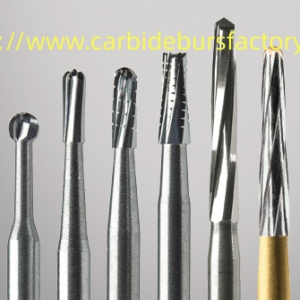
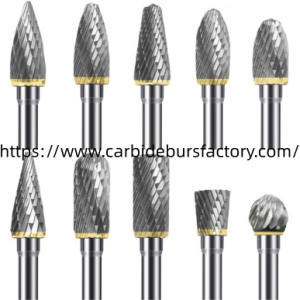
The cutting accessory directly affects how the equipment interacts with the workpiece. Head shape, cutting pattern, diameter, and connection dimensions should all be considered before an order is confirmed.
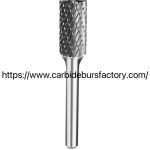
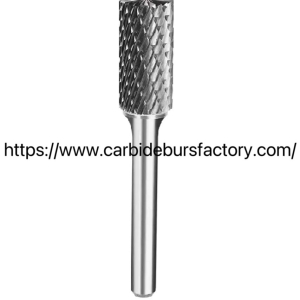
A cylindrical profile may suit certain straight sections, while rounded or pointed shapes can be useful for curved surfaces, corners, and restricted spaces. Different cutting patterns may also be intended for different materials or removal requirements.
Buyers should verify that the accessory fits the machine holder and falls within the equipment manufacturer's permitted specifications. If several configurations are needed, record the approved dimensions and intended uses for each one. This helps purchasing teams reorder the correct items and reduces confusion when accessories are shared across workstations.
Consider Handling and Working Conditions
Weight, grip design, vibration, and access to the work area can affect operator comfort during repeated tasks. Buyers should consider how the equipment will be held, positioned, and controlled during the intended operation.
The surrounding environment matters as well. Dust, debris, restricted movement, and workpiece stability may influence the setup and protective measures required. Workshops should establish suitable procedures for securing components and keeping the working area organized.
Operators should inspect the equipment, connection, and attached accessory before starting. Visible damage, loose fittings, or unusual operating behavior should be addressed according to the manufacturer's guidance. Appropriate protective equipment and established safety procedures should be part of routine use.
Evaluate Maintenance and Replacement Needs
Maintenance requirements can affect equipment availability and ongoing operating costs. Buyers should ask about routine cleaning, inspection intervals, replacement components, and service arrangements before making a purchasing decision.
Accessories may wear at different rates depending on the material, operating conditions, and frequency of use. Keeping records of accessory changes and inspection findings can help workshops plan replacements and identify recurring issues.
It is also useful to confirm the availability of compatible replacement parts. If the equipment is intended for regular production, clear information about service support can help purchasing teams plan maintenance without relying on last-minute arrangements.
Review Specifications and Supplier Communication
Before requesting a quotation, prepare the essential information: workpiece material, intended operation, required accessory dimensions, estimated usage, and order quantity. Drawings or photographs can clarify special access requirements and help the manufacturer understand the application.
Ask suppliers to explain the specifications included in the quotation, the accessories supplied, packaging arrangements, delivery schedule, and available documentation. For customized orders, confirm how design changes are reviewed and approved before production begins.
Comparing quotations against the same checklist makes differences easier to identify. Buyers should consider technical suitability, accessory requirements, maintenance arrangements, and commercial terms together rather than making a decision based only on price.For workshops and manufacturing businesses reviewing cutting equipment and compatible accessories, matching product specifications with real working conditions is a useful starting point. Visit https://www.carbidebursfactory.com/product/ to review available options from carbidebursfactory. Buyers can share their workpiece material, intended application, accessory dimensions, and order quantities to discuss configurations that fit their production needs.