

Introduction
Rhinoplasty, commonly known as nose surgery, is a cosmetic and sometimes functional procedure designed to change the shape, size, or proportions of the nose. It may also help improve breathing when structural problems contribute to nasal obstruction. Although rhinoplasty can enhance facial balance and address selected functional concerns, achieving a satisfactory outcome requires careful planning, realistic expectations, and an informed choice of surgeon.
People considering rhinoplasty in Islamabad should understand that the procedure involves more than selecting a preferred nose shape or comparing clinic prices. A patient's nasal anatomy, skin thickness, facial proportions, medical history, and healing process all influence the final outcome.
Avoiding common rhinoplasty mistakes before surgery can help patients make safer decisions and prepare for recovery. This guide explains the most important errors to avoid, questions to ask during consultation, and factors to consider before choosing a rhinoplasty surgeon.
1. Choosing a Surgeon Based Only on Price
One of the most common mistakes is selecting a rhinoplasty provider solely because they offer the lowest price. While cost is an important consideration, nose surgery requires detailed knowledge of nasal anatomy, facial proportions, and surgical techniques.
An inexperienced provider or an inadequately equipped facility may increase the risk of complications, unsatisfactory results, or the need for revision surgery.
Before choosing a surgeon, consider the following:
-
Verify the surgeon's medical qualifications and relevant specialist training.
-
Ask about their experience performing rhinoplasty procedures.
-
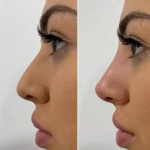
Review genuine before-and-after photographs of comparable cases.
-
Confirm that the surgical facility has appropriate safety standards.
-
Request a clear breakdown of the total treatment cost, including follow-up appointments.
Expert tip: Choose a qualified surgeon whose experience, communication, and safety practices meet your needs rather than making price the deciding factor.
2. Having Unrealistic Expectations About Results
Rhinoplasty can refine the nasal bridge, reshape the tip, adjust certain asymmetries, and improve the relationship between the nose and other facial features. However, it cannot guarantee perfect symmetry or reproduce another person's nose exactly.
Every face has unique proportions, and the final result depends on the patient's existing anatomy and healing response.
A common mistake is bringing a celebrity photograph to a consultation and expecting the same result. Reference images can help communicate preferences, but they cannot replace an individualized surgical assessment.
To establish realistic expectations:
-
Discuss which features you want to change and why.
-
Ask which improvements are technically achievable.
-
Understand the limitations created by your nasal structure and skin thickness.
-
Discuss both aesthetic goals and functional needs.
-
Ask what compromises may be necessary to maintain nasal support and breathing.
A responsible surgeon should explain what is possible, what is unlikely, and what risks may accompany the proposed changes.
3. Ignoring Breathing Problems Before Surgery
Some patients focus entirely on appearance and overlook the functional aspects of the nose. This can be a significant mistake, particularly for individuals who already experience nasal obstruction, difficulty breathing, or persistent congestion.
Rhinoplasty may sometimes be combined with procedures that address structural causes of breathing problems, such as a deviated septum. However, not every breathing concern is caused by a structural issue that rhinoplasty can correct.
During your consultation, disclose any history of:
-
Persistent nasal blockage.
-
Previous nasal injuries or fractures.
-
A diagnosed deviated septum.
-
Difficulty breathing during exercise or sleep.
-
Previous nasal surgery or treatment.
A qualified surgeon should assess nasal function as well as external appearance and recommend further evaluation when needed.
4. Not Researching the Surgeon’s Experience
Rhinoplasty is a technically demanding procedure because small changes in nasal structure can significantly affect facial appearance and airflow. Choosing a surgeon without checking their qualifications and relevant experience can lead to avoidable disappointment.
Before committing to surgery, ask direct questions about the surgeon's training, approach, and experience with cases similar to yours.
Useful questions include:
-
What surgical technique would you recommend for my nose?
-
How will the procedure affect my breathing?
-
What complications are relevant to my case?
-
How do you manage unsatisfactory results or revision cases?
-
Who will provide my postoperative care?
Look for clear, evidence-informed answers rather than guarantees of perfect results. A qualified professional should welcome reasonable questions and explain the benefits and limitations of treatment.
5. Overlooking the Risks and Possible Complications
Another common mistake is assuming that rhinoplasty is a simple cosmetic procedure without meaningful risks. Like any operation, it can involve complications, and patients should understand them before providing consent.
Possible risks include:
-
Bleeding, infection, or adverse reactions to anesthesia.
-
Persistent swelling or bruising.
-
Scarring or changes in skin sensation.
-
Nasal asymmetry or dissatisfaction with appearance.
-
Persistent or new breathing difficulties.
-
The possibility of revision surgery.
Not every patient experiences these problems, but individual risks vary according to medical history, anatomy, surgical complexity, and healing.
Ask your surgeon to explain the risks specific to your case and how complications would be managed. Informed consent should include a realistic discussion of both potential benefits and possible adverse outcomes.
6. Smoking or Ignoring Preoperative Instructions
Preparing for rhinoplasty is an important part of the treatment process. Smoking and nicotine exposure can impair wound healing and increase surgical risks. Certain medications and supplements may also affect bleeding or interact with anesthesia.
Before surgery:
-
Tell your medical team about all prescription medicines, over-the-counter products, and supplements you take.
-
Follow the surgeon's instructions regarding smoking and nicotine cessation.
-
Disclose allergies and any history of anesthesia-related problems.
-
Follow the prescribed fasting instructions before anesthesia.
-
Report any illness or new symptoms that develop before the procedure.
Do not stop prescribed medication independently. Your surgeon and anesthesia team should advise you on which medicines need adjustment and when.
7. Underestimating the Recovery Period
Rhinoplasty results develop gradually. Patients who expect their nose to look fully healed within a few days may become unnecessarily worried about normal postoperative changes.
Initial swelling and bruising generally improve over the first few weeks, but residual swelling can persist for several months. Subtle changes, particularly around the nasal tip, may take a year or longer to settle.
Recovery varies according to the surgical technique and individual healing.
Patients should plan for:
-
Appropriate time away from work, study, or strenuous activities.
-
Follow-up visits with their surgeon.
-
Avoiding contact sports and activities that could injure the nose until cleared.
-
Following instructions about dressings, splints, and nasal care.
-
Attending scheduled reviews to monitor healing.
Do not judge the final result too early. Contact your surgical team promptly if you experience significant bleeding, fever, worsening pain, or other concerning symptoms.
8. Comparing Clinics Without Checking Safety Standards
A clinic's appearance, social media presence, or promotional offers do not automatically establish the quality of its medical care. Patients should assess the qualifications of the operating surgeon and the standards of the facility where surgery will take place.
When evaluating a clinic in Islamabad, confirm that it can provide appropriate preoperative assessment, anesthesia services, postoperative monitoring, and follow-up care.
Dynamic Aesthetic Clinic in Islamabad is a clinic patients may consider contacting to ask about rhinoplasty consultations, available treatment options, surgeon credentials, and pricing. Before making a decision, verify the qualifications of the professional who will perform the surgery, where the operation will take place, and what safety and follow-up arrangements are available.
A trustworthy provider should explain the treatment plan clearly, answer questions without pressure, and avoid guaranteeing a specific cosmetic outcome.
9. Failing to Understand the Total Cost of Rhinoplasty
Focusing only on the advertised surgical fee can lead to unexpected expenses. The overall cost may include the surgeon's fee, anesthesia, operating facility, medical tests, prescribed medicines, and follow-up appointments.
The price of rhinoplasty in Islamabad can vary according to the surgeon's experience, the complexity of the procedure, whether functional correction is needed, and the facility used.
Before booking surgery, request a written estimate and clarify:
-
What the quoted price includes.
-
Whether consultation and medical tests are charged separately.
-
Whether postoperative visits and medications are included.
-
What additional expenses may arise if treatment becomes more complex.
-
How revision surgery is handled if it becomes medically necessary.
Choose a treatment plan that fits your budget without compromising qualifications or safety.
10. Rushing the Decision or Ignoring a Second Opinion
Rhinoplasty is a significant decision, and patients should not feel pressured to book surgery immediately. Promotional discounts, social media trends, or pressure from others should not replace careful medical judgment.
Take time to consider the benefits, risks, alternatives, and recovery requirements. If you are uncertain about the recommended procedure, seeking a second opinion from another appropriately qualified surgeon can help you compare treatment plans.
A good decision is based on personal goals, sound medical advice, and a clear understanding of what surgery can realistically achieve.
Frequently Asked Questions
1. Is rhinoplasty safe?
It can be performed safely by qualified professionals, but complications are possible.
2. How long does rhinoplasty recovery take?
Initial recovery often takes a few weeks, while final results may take a year or longer.
3. Can rhinoplasty improve breathing?
It may improve breathing when appropriate structural problems are corrected.
4. How much does rhinoplasty cost in Islamabad?
The price depends on the surgeon, facility, and complexity of the procedure.
5. When can I see the final results?
Results develop gradually as swelling subsides, sometimes over 12 months or longer.
Conclusion
Avoiding common rhinoplasty mistakes begins with choosing a qualified surgeon, setting realistic expectations, understanding potential complications, and preparing properly for recovery. Patients should also evaluate breathing concerns, verify clinic safety standards, and understand the full cost before committing to surgery.
For individuals considering rhinoplasty in Islamabad, a thorough consultation is an essential first step. When contacting Dynamic Aesthetic Clinic in Islamabad, ask about surgeon qualifications, surgical facilities, treatment planning, and postoperative support before making a decision.
Ultimately, successful rhinoplasty planning prioritizes facial harmony, nasal function, patient safety, and realistic outcomes rather than trends or promises of perfection.