



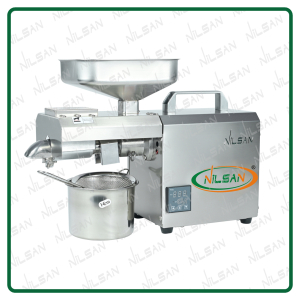
Dry Masala Grinder: Working, Benefits, and Uses
A Dry Masala Grinder is an essential machine for businesses that need to process spices into fine, usable powders. From chilli and turmeric to coriander, cumin, and other dried spices, the right grinding equipment helps prepare spices efficiently while maintaining a consistent texture. These machines are useful for spice manufacturers, food processing units, restaurants, and small businesses producing packaged masala.
As demand for packaged spices and freshly ground masala continues across different markets, selecting suitable grinding equipment is an important business decision. Understanding how a dry masala grinder works, where it can be used, and what features to consider can help you choose a machine that meets your production requirements.
What Is a Dry Masala Grinder?
A Dry Masala Grinder is a machine designed to grind dried spices and other compatible dry ingredients into powder. Depending on its design, it uses high-speed blades or a grinding mechanism to break down materials into the required particle size.
Common ingredients processed using suitable dry grinders include dried red chilli, coriander seeds, cumin, black pepper, turmeric, and selected dried herbs. Some models can also process grains and other dry materials, depending on their specifications.
Dry masala grinders are available in different sizes and capacities. Small models may suit limited processing requirements, while larger machines can support businesses that need to prepare greater quantities of spice powder.
How Does a Dry Masala Grinder Work?
The working process of a dry masala grinder involves preparing the raw materials, grinding them, and collecting the finished powder.
1. Preparing the Spices
Before grinding, spices should be cleaned to remove dust and unwanted particles. They must also be sufficiently dry for the selected machine. Excess moisture can affect grinding performance and cause the material to stick inside the chamber.
2. Loading the Grinding Chamber
The prepared spices are placed into the machine according to its recommended loading capacity. Avoid overfilling the chamber, as this may affect the grinding process and place unnecessary strain on the equipment.
3. Grinding the Ingredients
Once the machine is switched on, its grinding mechanism breaks the spices into smaller particles. Grinding time depends on the ingredient, the required powder consistency, and the machine model.
4. Collecting the Powder
After grinding, the spice powder is collected for further processing or packaging. Some machines may require additional sieving to achieve a more uniform particle size.
5. Cleaning the Machine
Cleaning the grinding chamber and other material-contact parts between batches helps maintain hygiene and reduces the risk of flavour transfer between different spices.
What Are the Benefits of Using a Dry Masala Grinder?
A suitable dry masala grinder can improve several aspects of spice processing.
Faster Spice Processing
Grinding spices mechanically can reduce the time and manual effort required compared with traditional hand-grinding methods. This is especially useful for businesses handling regular orders or multiple batches.
Consistent Powder Texture
The appropriate machine and grinding settings can help produce a more consistent powder. Uniform texture is important for packaged masala, spice blends, and food preparation.
Suitable for Different Dry Ingredients
Depending on the model, a dry grinder may process several types of dried spices, herbs, and grains. This allows businesses to handle different ingredients using compatible equipment.
Convenient for Small Businesses
Compact grinder models can suit entrepreneurs who want to begin spice processing on a smaller scale. Larger-capacity options are available for businesses with greater production needs.
Better Control Over Production
Using a dedicated machine allows businesses to manage batch sizes, grinding duration, and cleaning schedules more systematically. These practices can support consistent product quality.
Applications of Dry Masala Grinder Machines
Dry masala grinders serve a variety of businesses involved in food preparation and ingredient processing.
Spice Manufacturing Units
Spice manufacturers use grinding machines to convert dried whole spices into powders for retail packaging and wholesale distribution.
Food Processing Industries
Food processing businesses use ground spices to prepare seasoning blends, cooking mixes, and other products that require powdered ingredients.
Restaurants and Commercial Kitchens
Restaurants and catering businesses can use suitable grinders to prepare spice powders for regular food preparation, depending on their daily requirements.
Small Spice Businesses
Entrepreneurs can use dry masala grinders to produce selected spice powders for local customers, grocery stores, and other buyers. The appropriate capacity depends on the expected demand and available investment.
Herbal Processing
Some compatible models can process selected dried herbs. Businesses should verify the machine's suitability for each material before using it for herbal products.
How to Choose the Right Dry Masala Grinder
Before purchasing a machine, evaluate your production needs and the specifications of the available models.
-
Grinding capacity: Estimate the quantity of spices you need to process per batch or per hour.
-
Motor power: Check the motor specifications and electrical requirements to ensure they suit your workspace.
-
Grinding consistency: Confirm whether the machine can produce the powder texture required for your products.
-
Material compatibility: Ask the manufacturer which spices, herbs, and other dry ingredients the machine can process.
-
Construction and hygiene: Check the material used for the grinding chamber and other parts that come into contact with food.
-
Cleaning and maintenance: Choose equipment with practical cleaning procedures and accessible replacement parts.
-
Operating costs: Consider electricity consumption, labour, maintenance, and other recurring expenses.
-
Available space: Check the machine's dimensions and the room required for safe operation, ingredient storage, and packaging.
Comparing these factors helps you select a machine based on actual business requirements rather than price alone.
Dry Masala Grinder Maintenance Tips
Regular maintenance helps keep grinding equipment in suitable working condition and supports consistent production.
First, clean the machine after use according to the manufacturer's instructions. Remove leftover spice powder before processing a different ingredient.
Second, inspect blades, grinding components, fasteners, and other wear parts at the recommended intervals. Replace damaged components when necessary.
Third, avoid processing wet, sticky, or oily ingredients unless the machine is specifically designed for them. Such materials may clog the grinding chamber or affect performance.
Finally, follow the recommended operating capacity and allow the machine to cool when required. Always disconnect the power supply before cleaning or carrying out maintenance.
Conclusion
A Dry Masala Grinder is a practical investment for businesses that process dried spices into powder. It can reduce manual effort, support consistent grinding, and help businesses manage their daily production requirements more efficiently.
Before selecting a machine, consider its capacity, motor power, grinding quality, material compatibility, cleaning requirements, and operating costs. The right choice will depend on the ingredients you process and the quantity you expect to produce.
Nilsan India offers grinding equipment for different processing needs. Explore the available Dry Masala Grinder options to identify a suitable model for your business. If you are also planning to enter oil processing, you can explore the Oil Expeller range for equipment used in mechanical oil extraction.