

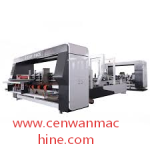

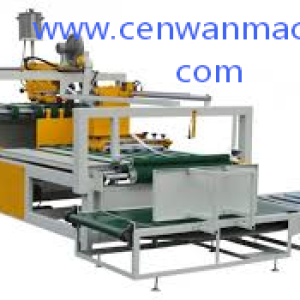
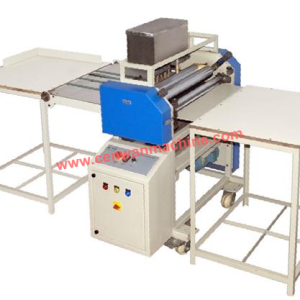
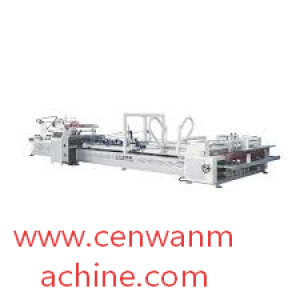

What Should Buyers Consider When Choosing a Carton Folding Gluing Machine?
Selecting packaging equipment requires careful attention to the products a factory handles, its daily production schedule, and the quality standards expected by customers. A Carton Folding Gluing Machine can influence carton formation, adhesive application, packaging consistency, and the flow of work across a converting line. For buyers researching CenwanMachine, understanding these practical factors is a useful starting point before comparing technical specifications or requesting a quotation. What should manufacturers examine to find equipment that suits their actual production requirements?
Matching Equipment to Carton Specifications
The first consideration is the carton itself. Packaging manufacturers may work with folding cartons for cosmetics, food products, household goods, electronics, and other retail applications, while certain facilities also process packaging made from different grades of paperboard or corrugated materials. Each structure presents its own requirements for folding sequences, crease positions, adhesive areas, and finished dimensions. A machine should therefore be assessed against the carton drawings and material specifications used in regular production rather than selected solely on the basis of its advertised operating speed.
Buyers should prepare samples or technical drawings before discussing equipment with a supplier, particularly when cartons include unusual shapes, multiple folds, locking structures, or narrow gluing areas. These details can affect the feeding method, folding arrangement, and glue delivery system needed for a stable process. It is also useful to ask whether the intended equipment can accommodate the full range of carton sizes produced by the factory, since frequent changes between different specifications may require adjustments to guides, belts, folding components, and other settings.
Understanding Production Capacity and Operating Speed
Nominal machine speed is an important specification, but it does not tell the whole story about actual output. Production performance depends on the carton design, board thickness, feeding stability, operator experience, adhesive behavior, and the time required to prepare each job. A line that runs quickly under ideal conditions may not maintain the same pace when handling complex carton structures or frequent order changes. Buyers should therefore evaluate stated capacity alongside the characteristics of their own packaging work.
It is helpful to discuss expected daily output, order sizes, working hours, and the proportion of repeat orders with the equipment supplier. A factory producing long runs of the same carton may prioritize stable operation and straightforward setup, whereas a business handling varied customer specifications may place greater emphasis on adjustment convenience and changeover procedures. Understanding these differences helps buyers select a configuration that fits their production schedule without paying for functions that have little practical value in their operation.
Checking Folding Accuracy and Adhesive Application
Carton appearance and structural integrity depend on the coordination of several machine functions. Feeding components must guide each blank into the correct position, folding mechanisms must follow the intended crease lines, and the adhesive system must apply an appropriate amount of glue to the designated area. If one stage becomes inconsistent, cartons may show uneven edges, weak joints, misaligned flaps, or visible adhesive marks. Such defects can affect packing operations and create avoidable material losses.
During an equipment evaluation, buyers should ask how folding positions are adjusted and how adhesive delivery is controlled. A practical trial using the intended board grade and carton design can reveal issues that are difficult to identify from a specification sheet alone. Samples should be checked for alignment, bonding strength, surface cleanliness, and overall shape after the adhesive has had sufficient time to set. The evaluation should also consider whether operators can identify and correct common process deviations without lengthy interruptions.
Considering Material Compatibility and Setup Requirements
Paperboard varies in thickness, stiffness, surface coating, and response to creasing, while recycled content and printing treatments may also affect how a blank moves through the line. These characteristics influence feeding behavior, folding performance, and the contact between adhesive and the carton surface. Buyers should provide accurate material information to the manufacturer and confirm that the proposed configuration is suitable for the substrates and carton styles used in their business.
Setup requirements deserve equal attention. Production teams need clear procedures for changing carton dimensions, positioning folding belts, adjusting guides, and cleaning adhesive-related components. If a factory regularly switches between different jobs, an understandable adjustment process can reduce preparation difficulties and help operators maintain consistent working practices. Training materials, operating instructions, and access to technical assistance should be discussed before purchase, especially when the machine will be used by several shifts or by staff with different levels of experience.
Evaluating Maintenance, Safety, and Technical Support
Routine maintenance has a direct relationship with equipment availability. Belts, rollers, bearings, sensors, and adhesive delivery components may require inspection or cleaning according to the manufacturer's instructions and the actual working environment. Buyers should ask which parts need regular attention, whether common replacement components are readily available, and what maintenance tasks can be completed by the factory's own technicians. A clear maintenance schedule helps production teams organize inspections without relying solely on repairs after a fault occurs.
Safety features also deserve careful review. Accessible emergency stops, suitable guards, clear operating instructions, and appropriate procedures for cleaning and adjustment can help employees work around moving equipment responsibly. Buyers should verify the safety arrangements offered with the machine and determine whether installation, commissioning, operator training, and after-sales support are available for their location. Response arrangements for technical questions, spare-part enquiries, and troubleshooting can be especially important for factories working to fixed dispatch schedules.
Comparing Total Cost and Long-Term Suitability
The purchase price is only one part of the financial assessment. Buyers should also consider installation, staff training, energy use, adhesive consumption, routine maintenance, replacement parts, and the production time required for setup and changeovers. These factors influence the overall cost of operating the equipment throughout its service life. A quotation is easier to evaluate when it clearly states the machine configuration, included accessories, service arrangements, warranty terms, and any additional charges that may apply.
It is also worth considering future production plans. A factory may currently handle a limited range of carton formats but later accept orders with different dimensions or structural designs. Before committing to a machine, buyers can ask the supplier which adjustments are available, what operating limits apply, and whether optional components can support anticipated requirements. This discussion helps establish whether the proposed equipment is appropriate for current orders while leaving room for realistic changes in the factory's workload.
Packaging manufacturers looking for equipment that fits their carton specifications, production schedules, and quality requirements can visit CenwanMachine to review available solutions and discuss their application needs. The Carton Folding Gluing Machine product page at https://www.cenwanmachine.com provides a starting point for buyers who want to understand the available equipment and its potential role in carton converting operations. By sharing carton samples, material details, and expected production conditions with CenwanMachine, buyers can evaluate the machine configuration, operating requirements, and technical support needed for their packaging business.