

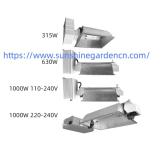

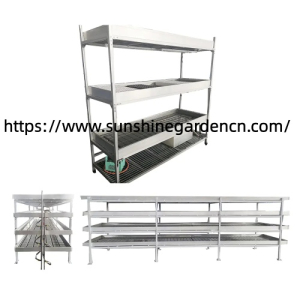
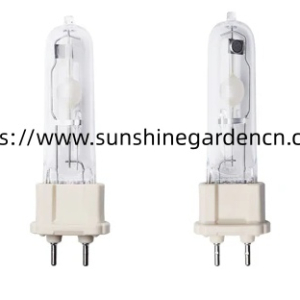
CMH Sodium Light technology is often considered by indoor growers who want to compare established horticultural lamps with modern LED fixtures and traditional high pressure sodium systems. Each option has different characteristics that can influence installation, electricity consumption, temperature control, plant development, and long term operating expenses. Selecting suitable equipment requires more than comparing wattage figures. Growers also need to consider cultivation space, crop requirements, operating schedules, and the amount of maintenance they can accommodate.
Ceramic metal halide lamps use an electric arc within a ceramic discharge tube to generate illumination. Their spectral output can cover a relatively broad range of visible wavelengths, making them an option for growers who want balanced illumination across different plant development stages. However, these systems require compatible electrical components, appropriate mounting arrangements, and sufficient ventilation to manage operating temperatures.
LED technology produces illumination through semiconductor diodes. Modern horticultural fixtures are available in different configurations, including panel and bar designs. Some models provide adjustable intensity or selectable spectral settings, allowing users to adapt their equipment to particular cultivation requirements. Energy consumption, driver quality, thermal management, and fixture efficiency should all be evaluated before purchasing.
High pressure sodium systems generate illumination through an electrical discharge in sodium vapor. Their output contains substantial red and orange wavelengths, which can support flowering applications. These systems have a long history in indoor cultivation and remain relevant to growers who already operate compatible fixtures. Their operating temperature and electricity requirements, however, need careful consideration when planning an installation.
Electricity costs can significantly influence the overall expense of maintaining an indoor growing environment. LED fixtures often provide higher photosynthetic photon efficacy than traditional discharge lamps, meaning they can deliver more plant usable photons for each unit of electricity consumed. Actual performance depends on the specific equipment, its operating settings, and the conditions in which it is installed.
Ceramic metal halide and HPS equipment may appeal to growers who already own compatible ballasts, reflectors, and mounting hardware. Retaining existing equipment can reduce the immediate cost of changing systems. Nevertheless, older fixtures may consume more electricity for a comparable amount of useful radiation, so a purchase decision should include estimated annual operating expenses.
A practical comparison begins with the fixture's measured photon output and electrical input. Multiply its actual power consumption by the number of operating hours and the local electricity rate to estimate energy expenses. Include replacement lamps, ventilation, and other equipment when calculating the total cost of ownership.
Plants respond to the wavelengths and intensity of radiation they receive. Blue wavelengths influence characteristics such as leaf development and plant structure, while red wavelengths contribute to photosynthetic activity and flowering responses. The appropriate spectral distribution depends on the crop, growth stage, cultivation method, and environmental conditions.
Ceramic metal halide equipment can provide a broad spectral distribution, while HPS fixtures tend to emphasize longer visible wavelengths. LED systems offer considerable flexibility because manufacturers can combine different diode types to produce particular spectral profiles. Some models also allow users to adjust output as cultivation requirements change.
Spectrum alone does not determine plant performance. Daily light integral, canopy coverage, watering practices, nutrient availability, and temperature also influence development. Growers should evaluate the complete growing environment rather than assuming that a particular technology will automatically produce a specific result.
Heat management is another important factor when choosing horticultural equipment. Discharge lamps can release considerable radiant heat into the growing area, potentially increasing ventilation and cooling requirements. LED fixtures generally produce less radiant heat at the canopy for an equivalent amount of useful plant radiation, although their drivers and heat sinks still require suitable airflow.
Before installation, measure the growing area and determine the required illumination level. Consider mounting height, fixture spacing, reflective surfaces, electrical capacity, and available ventilation. Follow manufacturer instructions for clearances, compatible control gear, and electrical safety.
Maintenance requirements also deserve attention. Traditional discharge lamps gradually change in output as they age and require periodic replacement. LED fixtures generally have longer rated service lives, although driver performance and operating temperature affect actual longevity. Keeping maintenance records can help growers schedule replacements and maintain consistent growing conditions.
The right solution depends on the balance between purchase price, running expenses, spectral requirements, heat management, and existing infrastructure. Growers upgrading an established facility may value compatibility with their current equipment, while those building a new room may have greater flexibility to evaluate different technologies.
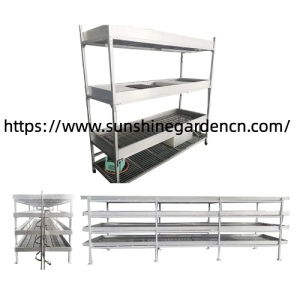
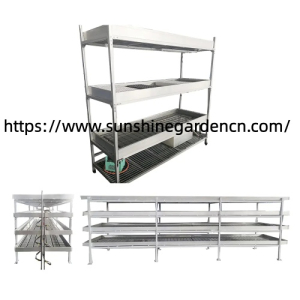
Sunshine offers horticultural equipment for indoor gardening and hydroponic applications, including grow tents, growing accessories, and LED bar fixtures. Reviewing available product specifications can help buyers compare configurations, determine installation requirements, and plan an arrangement suited to their available space. To evaluate relevant equipment and build a practical cultivation setup, visit https://www.sunshinegardencn.com/product/ and review the available options according to your growing objectives, budget, and operating conditions.