

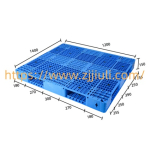

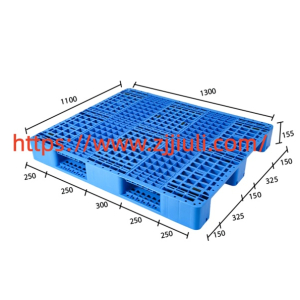
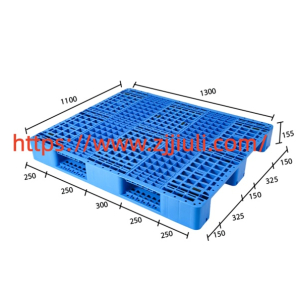
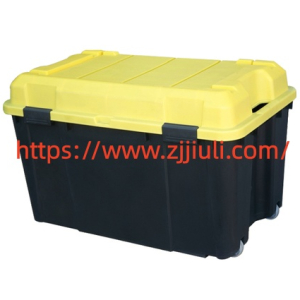
Grid Pallet selection plays an important role in warehouse organization, product handling, and transportation planning. For purchasing managers, the right design depends on the type of goods being moved, the available storage space, the handling equipment in use, and the conditions encountered during distribution. Rather than choosing a product based on appearance alone, businesses should evaluate how its structure fits their daily operations and long term supply chain requirements.
One of the first considerations is the shape and weight of the goods. Boxes, plastic containers, mechanical components, and packaged materials place different demands on a supporting platform. A flat and evenly distributed load may work well with an open surface, while small packages may require additional containment to prevent movement through the openings. Understanding these differences helps buyers identify a configuration that suits their actual applications.
Warehouse layouts vary considerably between manufacturing facilities, distribution centers, and storage buildings. Some operations depend on frequent forklift movements, while others use conveyor systems, shelving structures, or automated handling equipment. The dimensions and support configuration of a plastic platform should match the equipment and available clearance within the facility.
A nine foot support structure may suit certain floor storage arrangements, while a double faced configuration can be considered for applications that require support on both sides. Each design has different handling characteristics, so buyers should confirm the intended lifting method, stacking arrangement, and storage conditions before placing an order.
Load distribution also deserves attention. Goods should be positioned evenly across the supporting surface, with their weight kept within the specified capacity. Buyers should distinguish between static load, dynamic load, and racking load ratings because each describes a different operating condition. These figures should be checked against actual requirements rather than treated as interchangeable measurements.
Material selection affects product weight, impact resistance, maintenance, and performance under different environmental conditions. High density polyethylene, commonly known as HDPE, is used in many industrial plastic handling products because of its moisture resistance and suitability for repeated use. Polypropylene may also be appropriate for certain applications, depending on operating temperatures, load requirements, and the intended handling cycle.
Dimensions are equally important. A product that does not match a storage rack or conveyor system can create unnecessary handling difficulties. Before purchasing, measure the available operating space and check the required length, width, height, entry direction, and support arrangement.
Businesses should also consider the nature of their cargo. Open surfaces can encourage airflow and allow water or debris to pass through, depending on the design. However, fragile goods, small components, or products sensitive to contamination may require additional packaging or a different surface configuration. Selecting the right combination of material and structure can help businesses establish a practical handling process.
Wholesale purchasing involves more than comparing unit prices. Buyers should review product specifications, sample quality, manufacturing consistency, packaging arrangements, and delivery schedules. Clear technical information makes it easier to compare quotations and reduces the possibility of ordering equipment that does not meet operational requirements.
A useful purchasing checklist includes confirming the dimensions and load ratings required for each application, checking compatibility with forklifts and storage racks, reviewing material specifications, inspecting samples, and discussing order quantities and delivery schedules with the supplier.
For international buyers, communication with the manufacturer is also an important part of the process. Drawings, specification sheets, product photographs, and clearly documented requirements can help both parties confirm the intended configuration before production begins.
Working directly with a manufacturer gives buyers an opportunity to discuss product dimensions, structural options, material choices, and order requirements in greater detail. This can be useful for businesses managing several warehouse locations or operating different transportation systems.
Zhiguang provides plastic handling products in various configurations for industrial storage and logistics applications. When evaluating available models, buyers can compare specifications and discuss whether a particular design matches their equipment, cargo characteristics, and working environment. The suitability of each product should be assessed against its documented load ratings and intended conditions of use.
Long term value also depends on maintenance practices. Regular inspections can help identify cracks, deformation, or other damage before a unit returns to service. Cleaning procedures should reflect the transported goods and workplace requirements. Damaged equipment should be removed from use when its condition may affect safe handling.
Choosing suitable warehouse handling equipment requires a balance between structural design, load capacity, material properties, equipment compatibility, and purchase cost. Buyers who define these requirements in advance can compare products more effectively and make decisions that reflect their operational needs.
For businesses seeking plastic handling solutions for warehousing and transportation, Zhiguang offers a starting point for reviewing available product specifications and discussing suitable configurations. Visit https://www.zjjiuli.com/product/ to view product options and evaluate which design aligns with your storage layout, cargo requirements, and transportation workflow. A well informed selection process helps establish consistent handling practices while supporting the practical needs of daily logistics operations.