

Chewing is a natural behavior for dogs that provides entertainment, mental engagement, and an outlet for their instincts. From playful puppies to adult dogs that enjoy extended chewing sessions, every dog has different preferences. Offering an appropriate chew can add variety to a pet's daily routine, but pet parents should consider the dog's age, size, chewing strength, and dietary needs before selecting a product.
Dog chews are available in many forms, including natural beef-hide rolls, meat-based treats, dental chews, and durable chew toys. Each option serves a different purpose, and not every product is suitable for every dog. Checking ingredients, product quality, and safety instructions can help pet owners find a suitable option while reducing potential risks.
Why Do Dogs Enjoy Chewing?
Chewing is an instinctive canine behavior. Many dogs enjoy the texture and repetitive action, while others benefit from having an engaging activity during quiet periods. Appropriate chewing products can provide mental stimulation and complement regular exercise, training, and playtime.
Chews may also be useful as part of an enrichment routine. However, they should not replace walks, social interaction, or activities that encourage healthy movement. Pet parents should observe how their dogs interact with different products and select options that match their chewing habits.
Popular Types of Dog Chews
Different chews provide different textures, ingredients, and experiences. Understanding these differences makes it easier to select an appropriate product.
1. Natural Beef-Hide Chews
Beef-hide chews are made from cattle hide and are available in rolls and other shapes. Their texture may keep some dogs engaged for an extended period, although chewing time depends on the product and the dog's chewing strength.
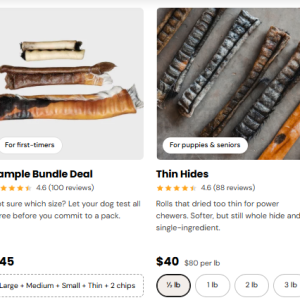
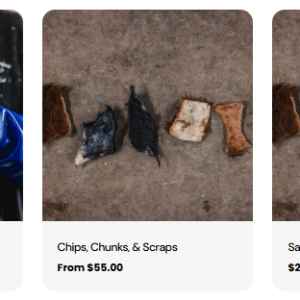
Pet parents interested in minimally processed beef-hide products may consider Ugly Chews. The brand focuses on beef-hide chews prepared using a simple process that includes water cleaning and sun-drying. Check individual product descriptions for ingredients, dimensions, and recommended use.
Beef-hide chews are not suitable for every dog. Swallowed pieces can cause choking or digestive obstruction, so select an appropriate size and supervise every chewing session.
2. Dental Chews
Dental chews are designed to provide chewing activity and may help reduce some plaque when used as directed. Their effectiveness varies by product, and they should not replace regular toothbrushing or veterinary dental care.
Choose a product appropriate for your dog's age and weight, and avoid chews that are excessively hard or too small to handle safely.
3. Meat-Based Chews and Treats
Dried meat snacks and other animal-based treats can be appealing rewards for many dogs. Their nutritional value depends on the ingredient and preparation method. Check calorie information and feeding instructions, particularly if your dog receives treats throughout the day.
4. Rubber Chew Toys
Non-edible rubber toys can provide chewing engagement without adding calories. Some designs also accommodate food or treats for interactive play. Select a toy suitable for your dog's size and chewing strength, and replace it if it becomes cracked, torn, or small enough to swallow.
How to Choose the Right Chews
The right product depends on your dog's individual needs rather than its appearance or price alone.
- Consider size: Select a chew appropriate for your dog's mouth and large enough to reduce the chance of accidental swallowing.
- Check chewing strength: Strong chewers may damage unsuitable products quickly.
- Review ingredients: Look for clear labeling and avoid ingredients your dog cannot tolerate.
- Consider age: Puppies, adults, and senior dogs may require different textures and sizes.
- Check the texture: Very hard chews can damage teeth, while products that break apart may create swallowing hazards.
- Follow product instructions: Review age recommendations, feeding guidance, and storage directions.
If your dog has dental disease, digestive sensitivities, or a habit of swallowing objects, ask your veterinarian which chewing options may be appropriate.
Are Natural Chews a Good Choice?
Natural chews can appeal to pet parents who prefer products with identifiable ingredients and limited processing. However, the word “natural” does not automatically mean a chew is safe, nutritionally complete, or appropriate for every dog.
Read the label carefully and consider how the product is prepared, how it should be used, and whether it matches your dog's chewing behavior. Natural beef-hide products may be suitable for some dogs, but they still require careful supervision.
Ugly Chews is one option for pet parents interested in natural beef-hide chews. Before purchasing, review the details of each product and confirm that it is appropriate for your dog.
Safety Tips for Giving Dogs Chews
Supervision is essential whenever a dog uses a chew. Follow these basic precautions:
- Supervise every session: Stay nearby while your dog chews.
- Inspect the chew: Check for damage, sharp edges, or loose pieces before use.
- Remove small pieces: Discard chews that become small enough to swallow whole.
- Avoid excessively hard products: Protect your dog's teeth by avoiding unsuitable textures.
- Provide fresh water: Make sure drinking water is always available.
- Monitor your dog: Stop using a product if it causes discomfort or digestive problems.
If your dog chokes, struggles to breathe, repeatedly retches, or may have swallowed a large piece, seek veterinary assistance promptly.
How Often Should Dogs Have Chews?
The appropriate frequency depends on the product and your dog's needs. Non-edible toys may be used for supervised play according to their instructions, while edible chews contribute calories and should be counted as part of the daily food allowance.
Treats should generally account for no more than 10% of a dog's daily calories, with the rest coming from complete and balanced food. Introduce new edible products gradually and monitor your dog's response.
Conclusion
Chews can provide dogs with an engaging activity and help satisfy their natural chewing instincts. Natural beef-hide products, dental chews, meat-based snacks, and rubber toys offer different options, so consider your dog's age, size, chewing strength, and dietary requirements before choosing.
For pet parents interested in natural beef-hide products, Ugly Chews is worth considering alongside a careful review of individual product details. Choose an appropriate chew, supervise every session, and remove damaged or small pieces promptly to make chewing a more rewarding part of your dog's routine.