



Article
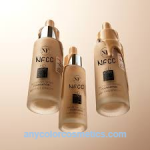
Building a foundation range means answering one question before anything else: how much coverage will your customers want? Some shoppers chase a natural veil that lets skin breathe. Others demand a formula that hides redness, scars, and dark spots without a second layer. A capable Foundation OEM&ODM partner can produce both, along with everything sitting between those two poles. anycolorcosmetics works with brands that need this kind of flexibility, since a single coverage level rarely satisfies a whole market. So what exactly can a well-equipped production line deliver?
Sheer coverage sits at the light end of the scale. These formulas even out tone while letting the skin's natural texture show through. They suit daily wear, warm climates, and customers who prefer a bare-skin look. Producers achieve this effect through light pigment loads, thin emulsions, and watery textures that spread with fingertips. Tinted moisturizers and skin tints belong here, and they often carry skincare ingredients that draw buyers seeking comfort over concealment.
Medium coverage forms the backbone of most commercial lines. It softens blemishes and uneven patches without masking the face completely. Factories reach this level by balancing pigment concentration with flexible polymers, so the product bends with facial movement instead of cracking. Liquid, cream, and stick formats all handle medium coverage well. This range appeals to wide age groups, which explains why it dominates retail shelves year after year.
Full coverage serves customers who want a flawless finish. These formulas carry high pigment loads, and they hide discoloration, acne marks, and tattoos with a thin application. Building them takes skill, because heavy pigment can feel dry or look cakey. Skilled manufacturers blend emollients and soft-focus powders to keep the texture comfortable while holding opacity. Matte and satin versions both exist, and each one targets a distinct shopper.
Beyond these three, production lines also handle buildable coverage. A buildable formula starts light and layers up without turning patchy. This approach gives customers control, and it reduces the number of shades a brand must stock. Some factories also produce color-correcting bases that sit underneath foundation and neutralize specific tones, which adds another layer of choice for buyers with uneven complexions.
Matching coverage to format matters too. Powder foundations tend toward light to medium, while creams and liquids move easily into full territory. Spray formats usually land in the middle, since they apply thin layers that build gradually. A brand that understands these pairings avoids mismatches between what customers expect and what the product actually does.
Testing decides whether a formula truly performs. Factories run wear trials, humidity checks, and transfer tests before approving a batch. A foundation that fades by midday fails no matter how good it looks in the jar. Brands should request these results and read them closely.
anycolorcosmetics supports clients through each stage, from picking a coverage level to adjusting texture, finish, and shade range. The company's matte full coverage option at https://www.anycolorcosmetics.com shows what a carefully built formula can look like, and it gives brands a starting point for discussions about pigment load, wear time, and skin feel. Buyers who ask detailed questions about Foundation OEM&ODM coverage often end up with a product line that sells steadily, because they matched the formula to real customer demand instead of guessing.